
 Save
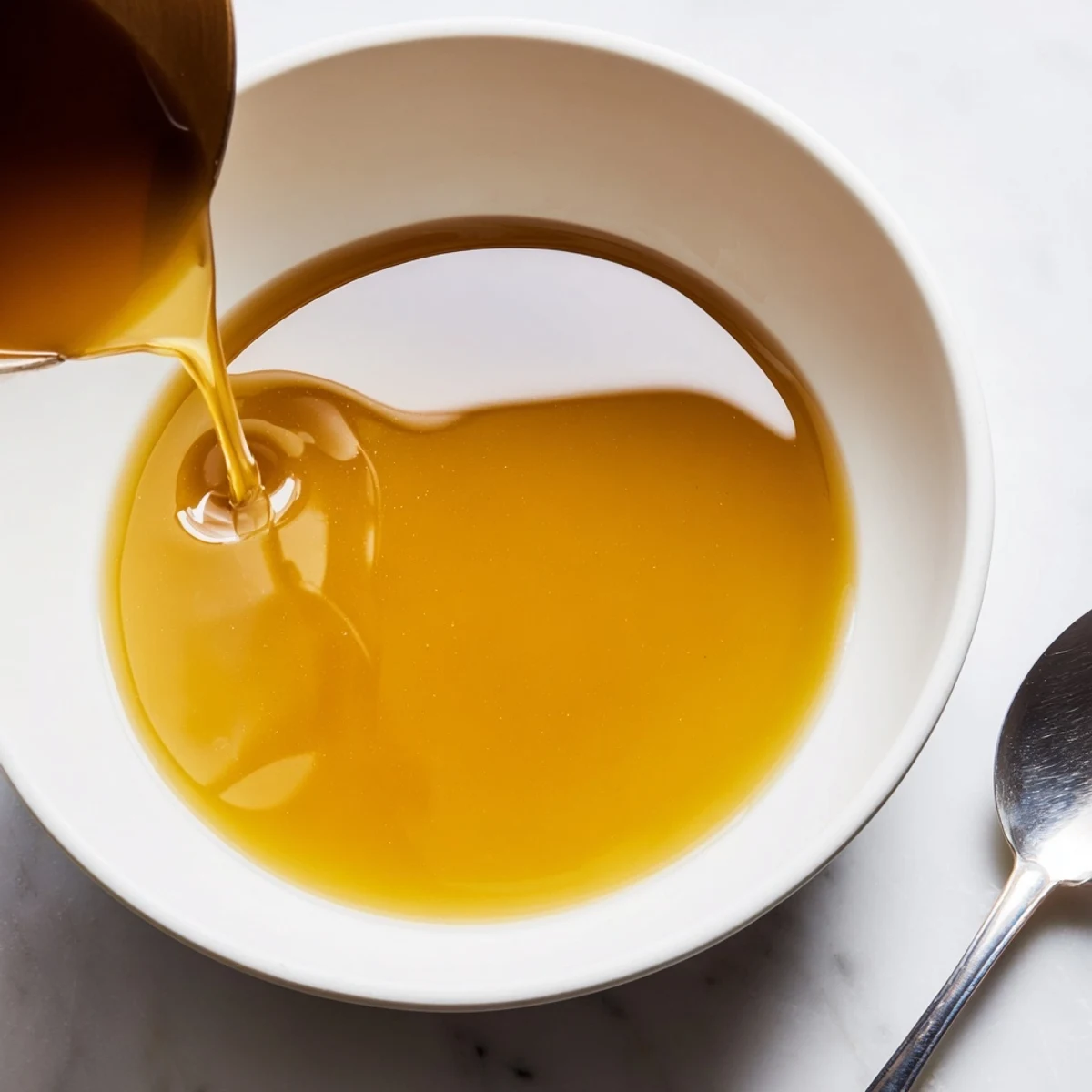
Save This rich and deeply flavored beef stock is made by roasting marrow and knuckle bones with beef shank or oxtail to enhance depth. Caramelized onions, carrots, celery, and optional leek add sweetness and complexity, while fresh herbs like thyme, parsley, and bay leaves infuse aromatic notes. Simmered gently for hours to extract maximum flavor without cloudiness, then strained for clarity. Ideal as a flavorful foundation for soups, stews, sauces, and gravies, it can be cooled and stored refrigerated or frozen for future use.
My grandmother kept a stockpot perpetually simmering on her stove, and I'd watch the bones transform into liquid gold over hours. She'd say the smell told you everything—sweet and deep when it was done, never sharp or thin. Years later, I realized she was teaching me patience, one slowly caramelized bone at a time. Making beef stock became my quiet meditation, a way to honor her approach to cooking that wastes nothing and builds everything.
The first time I made this stock alone, I almost panicked when brown foam kept rising to the surface—I thought something was wrong. My grandmother appeared in my kitchen memory and whispered that it was just impurities saying goodbye, and to keep skimming gently. That simple reassurance changed everything; now I welcome that foam because it means the stock is doing exactly what it should.
Ingredients
- Beef bones (1.5 kg): Marrow and knuckle bones are your best friends here; they release gelatin that gives stock its silky body and deep flavor, so don't skip the roasting step to brown them.
- Beef shank or oxtail (500 g): Optional but worth it if you want a more complex, meaty depth that lingers beautifully.
- Onions, carrots, celery (2 each, prepped): This aromatic base gets caramelized separately to deepen the stock's color and sweetness without muddying the broth.
- Leek (1, optional): Adds a subtle sweetness that balances the earthiness; clean it well since sand hides between the layers.
- Garlic head (1, halved): Halving it lengthwise lets the cloves steep together while keeping them easy to fish out later.
- Bay leaves, peppercorns, thyme, parsley, cloves: Each herb and spice adds a whisper of flavor that builds into a chorus; don't rush adding them or you'll lose the delicate layering.
- Tomato paste (2 tbsp): This small amount adds umami depth and a subtle sweetness; it caramelizes beautifully with the vegetables.
- Cold water (2.5 liters): Cold water extracts flavors more gently than hot; start here and let the heat do the work.
- Vegetable oil (1 tbsp): Just enough to help the vegetables brown without making the stock greasy.
Instructions
- Roast the bones until mahogany-dark:
- Preheat your oven to 220°C and spread the beef bones and shank on a roasting pan. After 30–40 minutes of roasting, turning halfway through, they should be deep brown—almost mahogany-colored—which is your signal that flavor is concentrating. This step can't be rushed because browning builds the entire foundation of your stock.
- Transfer bones and build your flavor base:
- Move the roasted bones to your largest stockpot. In the same roasting pan, toss the onions, carrots, celery, and leek with tomato paste and oil, then roast for 15–20 minutes until the vegetables soften and caramelize at the edges.
- Deglaze and combine:
- Pour a splash of cold water into the hot roasting pan and scrape up every brown bit stuck to the bottom—that's pure flavor. Add this to the stockpot along with the caramelized vegetables, creating layers of depth.
- Add aromatics and cover with water:
- Scatter the garlic halves, bay leaves, peppercorns, thyme, parsley, and cloves into the pot. Pour in the cold water until everything is submerged, which helps extract flavors evenly.
- Bring to a gentle simmer and tend gently:
- Over medium heat, let it slowly reach a simmer—you want small bubbles rising lazily, never a rolling boil which clouds the stock. Reduce heat to low and let it bubble quietly for 4 hours, skimming off foam and fat occasionally.
- Strain and cool with intention:
- Pour everything through a fine-mesh sieve or cheesecloth into a clean pot, letting gravity do the work—don't press the solids. Let it cool, then refrigerate overnight so any fat solidifies on top for easy removal.
 Save
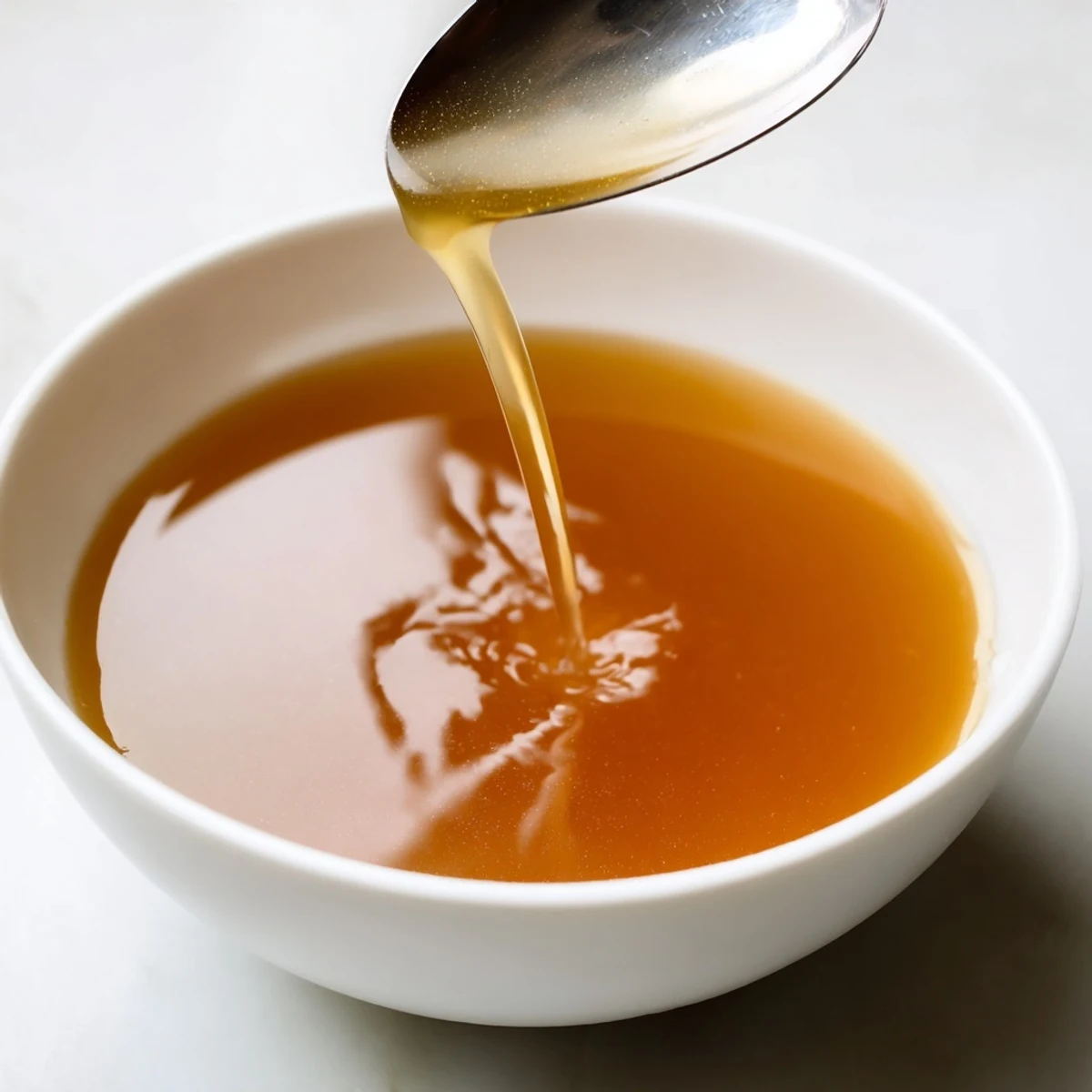
Save I remember ladling this stock into a pot of beef stew on a cold Sunday, watching the color darken and the flavors marry into something that smelled like home. My partner took one spoonful and said nothing—just looked at me with understanding that four hours of patience had been worth every minute. That's when stock stopped being a technique and became a love language in my kitchen.
The Science of Patience
Stock is an exercise in understanding how time transforms raw ingredients into something greater. The four-hour simmer doesn't just extract flavor; it breaks down collagen into gelatin, creating that silky mouthfeel that defines great stock. This is why rushing with higher heat backfires—you'll end up with cloudy, thin liquid instead of liquid silk, and all the browning in the world won't save it.
Storage and Flexibility
Once cooled and strained, this stock becomes your secret weapon for months. Refrigerated, it keeps for three days; frozen in ice cube trays or containers, it lasts three months and portions out perfectly for quick sauces or single servings of soup. I've learned to freeze it in varied quantities—some cubes for sauces, larger containers for stews—because having options means you'll actually reach for it.
Playing with Flavor
The beauty of this base is that it invites exploration without demanding it. A handful of mushrooms or a parsnip added during the final hour deepens the earthiness in ways that feel subtle but complete. The recipe is forgiving enough to teach you, flexible enough to grow with you, and consistent enough that you'll trust it to deliver.
- Try adding a few dried mushrooms for umami richness that surprises even when you're making the same stock for the tenth time.
- Push the roasting step if you want darker color—caramelization is your friend and won't disappoint.
- Taste it plain before seasoning so you understand what you've built before salt changes everything.
 Save
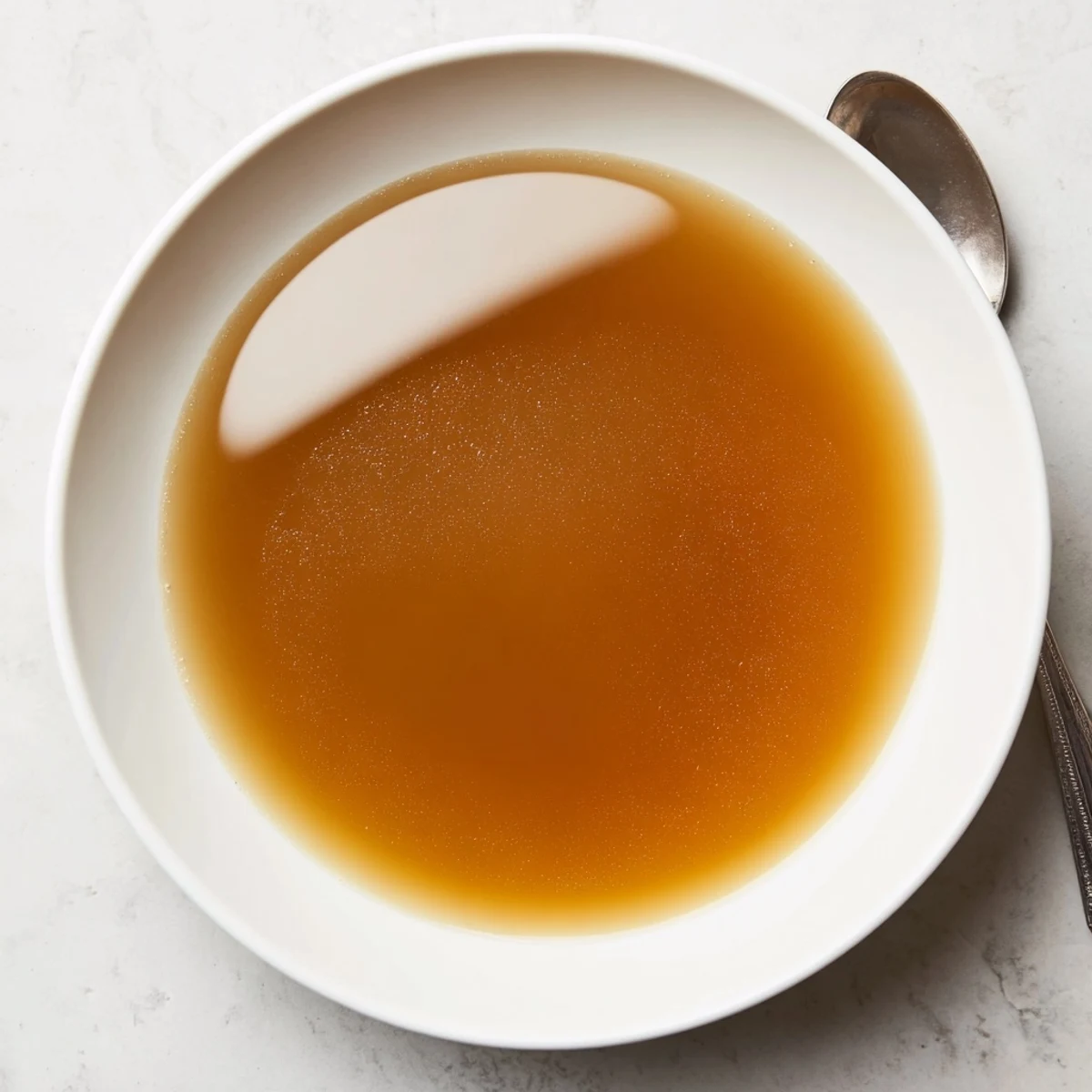
Save This stock is an invitation to slow down in a kitchen that often rushes. Once you've made it once, you'll understand why French cooking built itself on this foundation—it's not fancy, just honest and deeply rewarding.
Recipe Questions & Answers
- → What bones work best for a rich beef stock?
-
Marrow and knuckle bones are excellent for depth and gelatin, while adding shank or oxtail increases flavor richness.
- → Why roast the bones and vegetables before simmering?
-
Roasting develops caramelization that deepens color and adds a complex, savory flavor to the stock.
- → How long should the stock simmer?
-
Simmer gently for about 4 hours to fully extract flavors without clouding the stock.
- → Can I add other vegetables for different flavors?
-
Yes, adding parsnip or mushrooms can offer unique flavor notes and enrich the broth's character.
- → How do I store the prepared beef stock?
-
After cooling, refrigerate up to 3 days or freeze up to 3 months. Skim any solidified fat before use.
- → Why is it important to skim off scum while simmering?
-
Removing impurities during simmering keeps the stock clearer and improves the final taste and texture.