
 Save
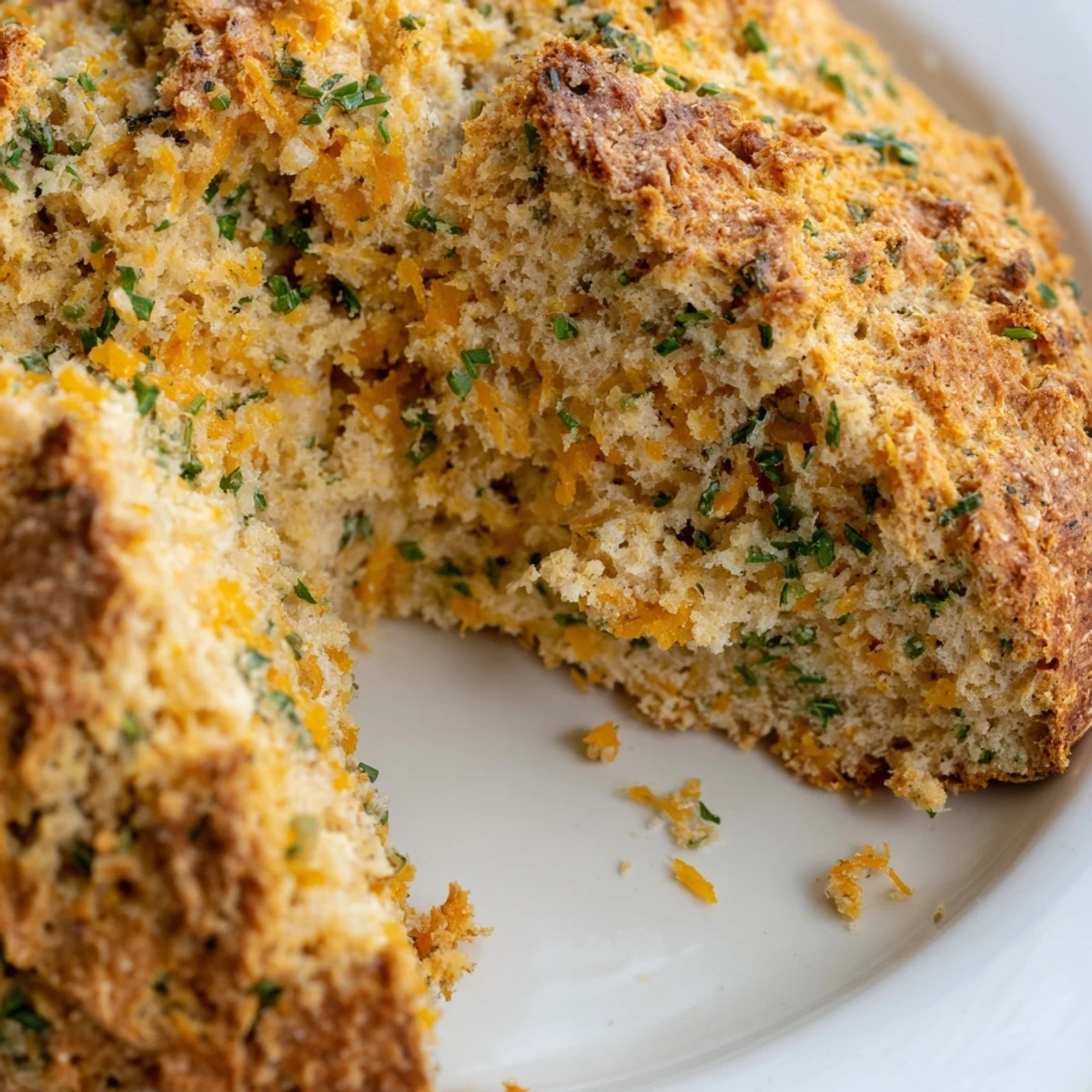
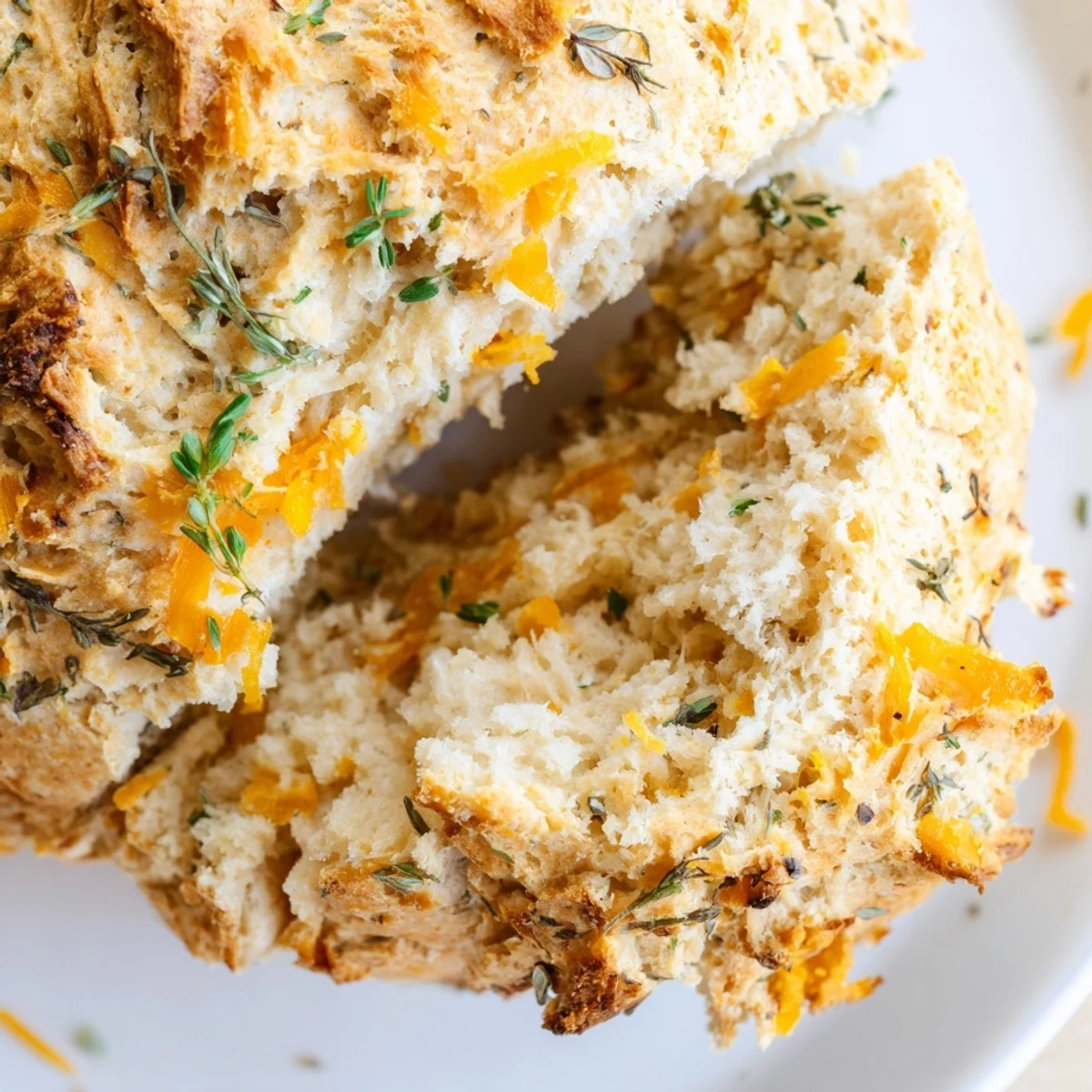
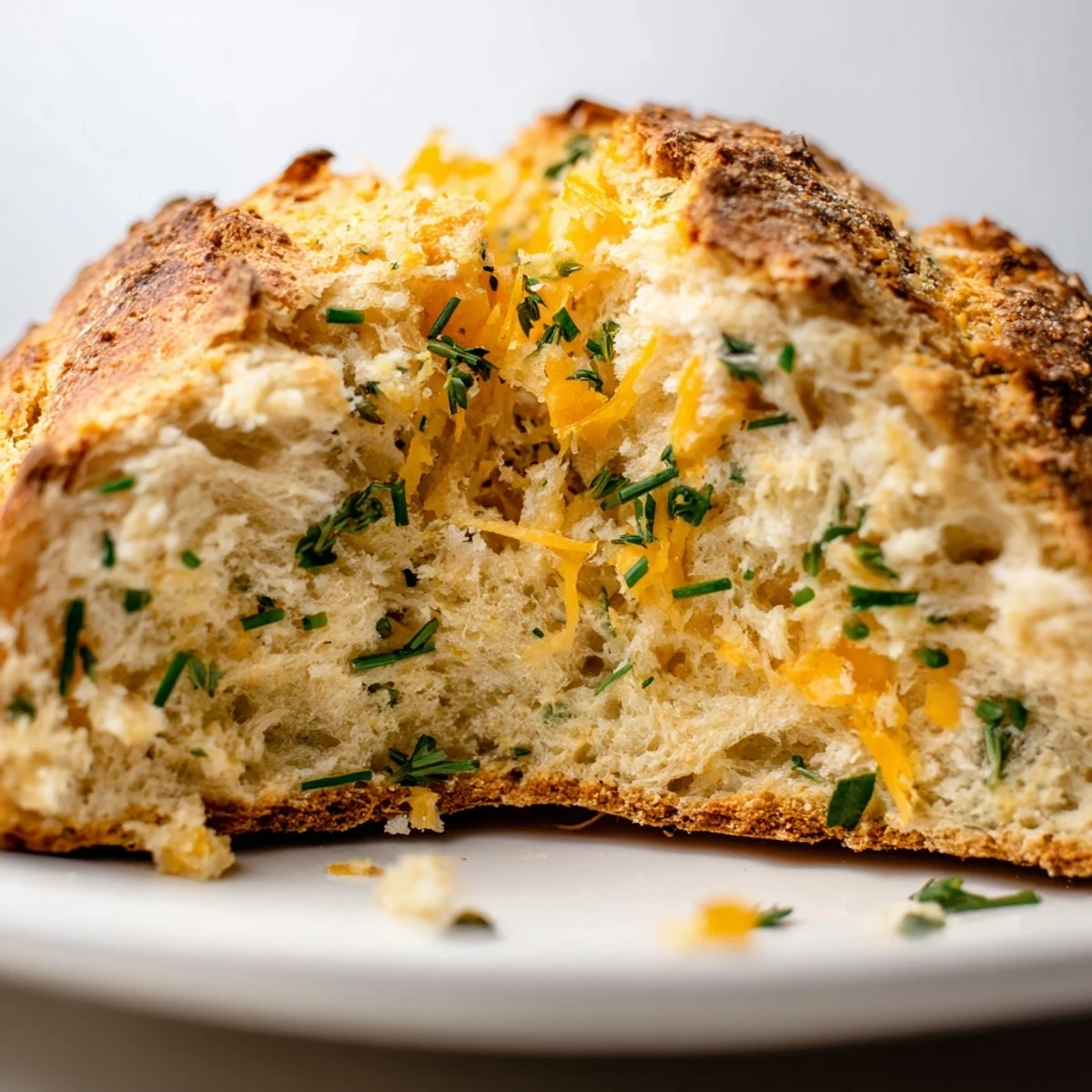
Save This rustic loaf combines sharp cheddar cheese with fresh chives, parsley, and thyme for a savory quick bread that's ready in under an hour. The buttermilk-based dough comes together in minutes and bakes into a golden crust with a tender, herb-infused interior.
The traditional cross-cut topping creates that classic soda bread appearance while helping the heat penetrate evenly. Serve warm with melted butter for breakfast, or pair with soups and salads for a comforting side.
The smell of this bread baking brings me back to a rainy Sunday afternoon when I needed something comforting to go with an impromptu tomato soup. I had everything in the fridge already, which felt like a small victory.
My neighbor Sarah came over with a container of her garden chives that same afternoon, and we ended up eating half the loaf straight from the oven, standing in the kitchen while the rain tapped against the windowpane.
Ingredients
- All-purpose flour: Forms the structure of this quick bread, no need for bread flour here
- Baking soda: The leavening agent that works instantly with buttermilk to create rise
- Sharp cheddar cheese: Grate it yourself for better melting and distribution throughout the crumb
- Fresh herbs: Chives, parsley, and thyme add layers of flavor that dried herbs cannot match
- Buttermilk: Creates tenderness and activates the baking soda for a proper rise
- Unsalted butter: melted and mixed in, with extra reserved for brushing the hot crust
Instructions
- Prepare your oven and workspace:
- Heat your oven to 425°F and line a baking sheet with parchment paper for easy cleanup.
- Mix the dry ingredients:
- Whisk together the flour, salt, baking soda, and black pepper in a large bowl until evenly combined.
- Add the cheese and herbs:
- Toss in the grated cheddar, chives, parsley, and thyme, mixing until the colorful bits are distributed throughout the flour.
- Combine wet and dry:
- Form a well in the center of the bowl, pour in the buttermilk and melted butter, then stir gently with a fork until just combined.
- Shape the loaf:
- Turn the shaggy dough onto a floured surface and pat it into a round about 7 inches across and 2 inches high.
- Score and bake:
- Cut a deep cross in the top with a sharp knife, brush with extra butter, and bake for 30 to 35 minutes until golden and hollow sounding.
 Save
Save That rainy afternoon turned into a weekly tradition. Every Sunday now, the smell of baking herbs and cheese signals that soup is on the stove and company is welcome.
Cheese Variations To Try
Smoked cheddar adds a wonderful depth that pairs beautifully with the herbs, or try mixing half sharp cheddar with half gruyere for a more complex flavor profile. Aged gouda works beautifully too.
Herb Combinations
Fresh herbs make all the difference here, but you can swap based on what you have. Rosemary and chives pair wonderfully with cheddar, or try dill and parsley for a brighter flavor.
Serving Suggestions
This bread is best served warm, but it holds up well for a day or two when wrapped tightly. It makes excellent toast the next morning, topped with scrambled eggs or more butter.
- Pair with a hearty vegetable soup or stew
- Use leftovers for savory bread pudding
- Freeze individual slices for quick lunches
 Save
Save There is something deeply satisfying about making your own bread, especially one that requires so little effort but delivers such warmth and flavor to the table.
Recipe Questions & Answers
- → What makes soda bread different from regular bread?
-
Soda bread uses baking soda instead of yeast for leavening, requiring no rising time. The buttermilk reacts with the soda to create lift, making it one of the fastest breads you can bake.
- → Can I use dried herbs instead of fresh?
-
Yes, use approximately one-third the amount of dried herbs. For example, substitute 1 tablespoon fresh herbs with 1 teaspoon dried. Rehydrate them in the buttermilk for 5 minutes before mixing for best results.
- → Why is my dough sticky?
-
Soda bread dough is naturally stickier than yeast dough. If it's too wet to handle, add flour gradually—just 1-2 tablespoons at a time. Avoid adding too much or the bread will become dense and tough.
- → How do I know when it's done baking?
-
The loaf should sound hollow when tapped on the bottom and have a deep golden-brown crust. An instant thermometer inserted into the center should read 200°F (93°C).
- → Can I freeze this bread?
-
Absolutely. Wrap the cooled loaf tightly in plastic wrap, then place in a freezer bag for up to 3 months. Thaw at room temperature and refresh in a 350°F oven for 10 minutes for that fresh-baked warmth.
- → What can I substitute for buttermilk?
-
Mix 1 ⅔ cups regular milk with 2 tablespoons lemon juice or white vinegar. Let stand 5 minutes until thickened. This creates the necessary acidity to react with the baking soda.