
 Save
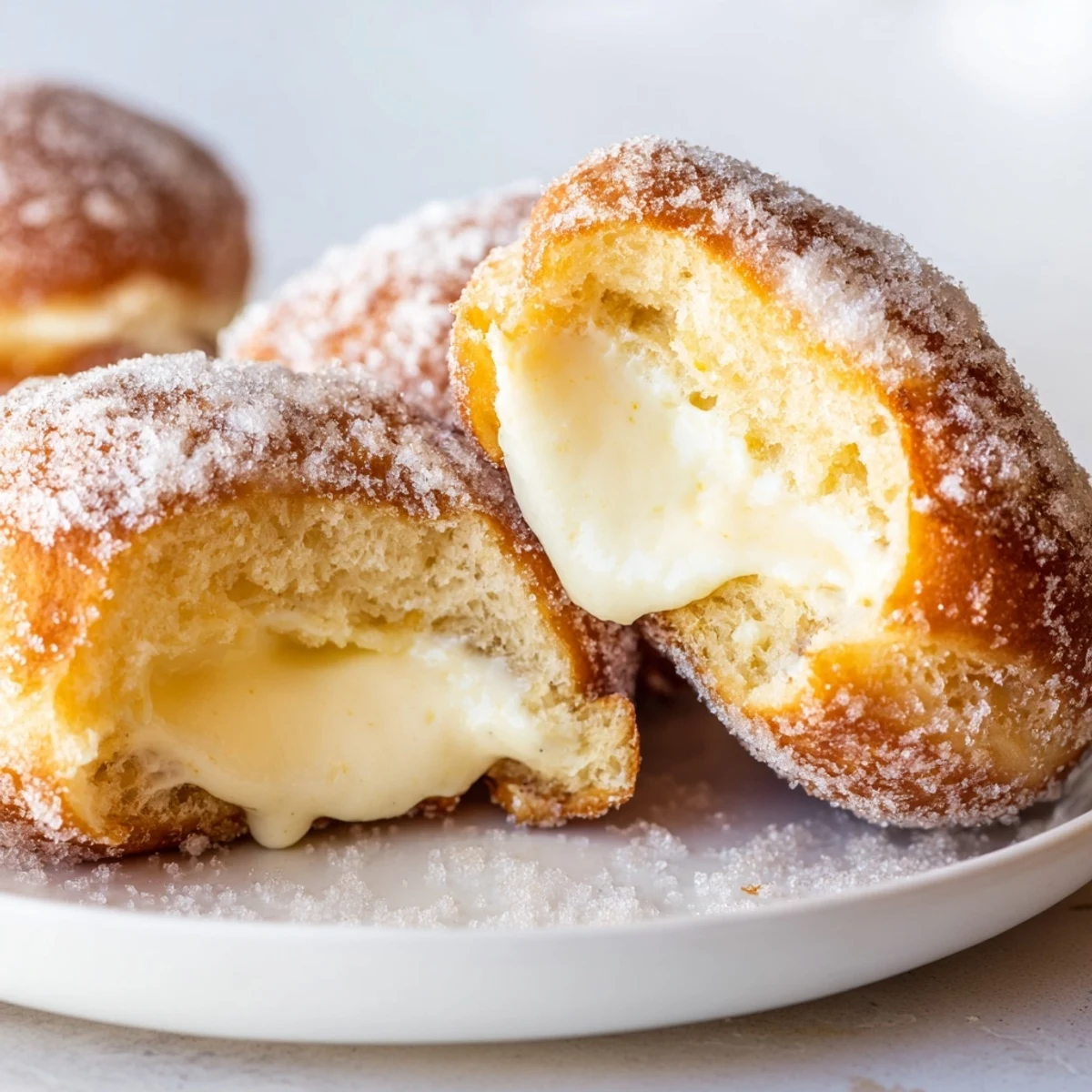
Save Create authentic Italian bomboloni at home with this straightforward approach. These beloved treats feature a light, airy dough that fries to golden perfection, then gets filled with silky vanilla pastry cream and rolled in granulated sugar. The process involves making a yeast-raised dough, preparing a classic custard filling, deep-frying to achieve that signature fluffy texture, and finishing with a generous coating of sugar. While the total time includes rising periods, the active work is quite manageable. The result is an irresistible Italian pastry that rivals any bakery version, ideal for special breakfasts, afternoon coffee breaks, or elegant desserts.
The first time I had bomboloni was in a tiny bakery in Florence, where the owner's grandmother pressed a warm sugar-coated donut into my hands before I could even order. That first bite—crisp outside, impossibly soft inside, with vanilla cream spilling out—changed everything about how I thought about donuts. Now my kitchen smells like yeast and vanilla every Sunday, and my neighbors have started timing their visits perfectly to frying time.
Last winter, my sister came over during a snowstorm and we made these together while drinking wine and listening to old records. She burned the first batch because she got distracted telling a story, and we ate them anyway, standing over the sink with sugar all over our sweaters. That afternoon taught me that sometimes the imperfect ones taste the best.
Ingredients
- All-purpose flour: This creates the structure while keeping the crumb tender and light
- Active dry yeast: The magic agent that gives these donuts their signature puff
- Whole milk: Adds richness and helps the yeast bloom properly
- Eggs: Essential for structure and that gorgeous golden color
- Unsalted butter: Creates flavor and tenderness in the dough
- Vanilla extract: The backbone of flavor in both dough and cream
- Granulated sugar: For sweetness in the dough and that classic coating
- Cornstarch: Thickens the pastry cream to perfect pipeable consistency
- Egg yolks: Make the filling impossibly rich and silky smooth
- Vegetable oil: Neutral flavor lets the donuts shine without greasiness
Instructions
- Wake up the yeast:
- Combine flour, sugar, yeast and salt in your stand mixer, then pour in warm milk, cracked eggs, vanilla and softened butter
- Build the dough:
- Knead for about 8 minutes until the dough feels smooth and bounces back when you poke it
- Let it rise:
- Place in a greased bowl, cover with a towel, and walk away for an hour until it is beautifully doubled
- Shape the rounds:
- Roll the dough to three quarter inch thickness and cut circles with a three inch cutter
- Second rise:
- Let them rest on parchment for another 45 minutes until puffy and pillowy
- Make the magic cream:
- Whisk yolks with sugar and cornstarch, pour in hot milk slowly, then cook until thickened
- Chill the filling:
- Stir in butter and vanilla, cover with plastic directly on the surface, and refrigerate
- Fry to golden:
- Cook in 350 degree oil for 2 to 3 minutes per side until deeply golden
- Sugar while warm:
- Roll them immediately in granulated sugar while they are still hot
- Fill them generously:
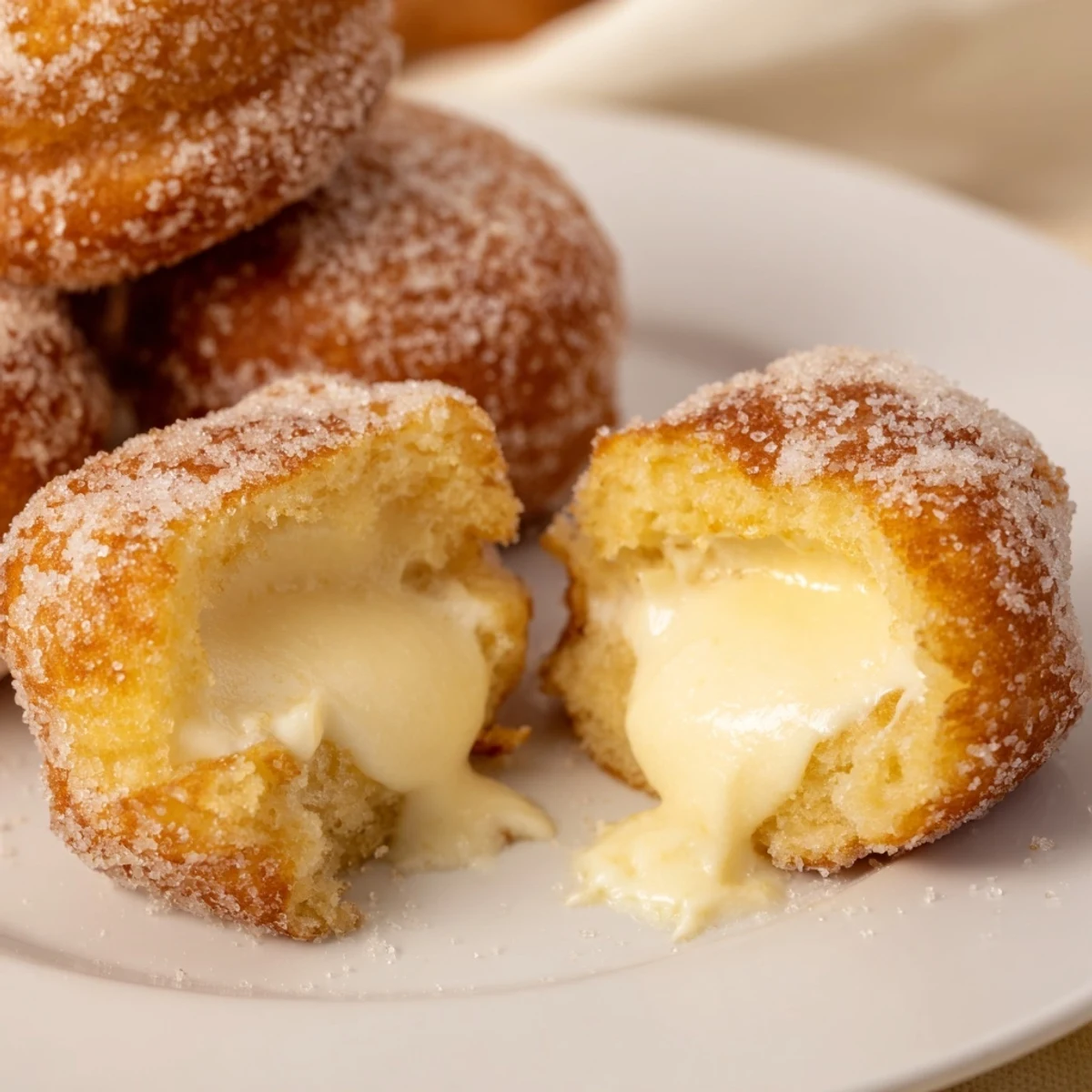
- Poke a small hole in the side and pipe in chilled pastry cream until they feel heavy
 Save
Save My daughter now requests these for her birthday instead of cake, and watching her face light up when she takes that first bite is better than any present. Last year she helped me fill them and made the biggest mess, but every single donut disappeared before dinner even started.
Making The Perfect Pastry Cream
The secret is patience during the tempering process, whisking constantly until the mixture thickens and bubbles cook out the raw starch flavor. I have learned that covering the cream with plastic directly on the surface prevents that dreaded skin from forming.
Frying Like A Pro
A clip on thermometer changed my frying game completely, taking the guesswork out of maintaining the right temperature. Now I can focus on achieving that perfect golden brown color without worrying about undercooked centers.
Serving And Storing
These really are best the day they are made, when the exterior is still slightly crisp and the filling is cool against the warm dough. Fresh espresso on the side makes the experience completely authentic.
- Dust with powdered sugar right before serving for an elegant touch
- Fill them just before serving so the cream does not make the dough soggy
- Any leftovers can be warmed for 10 seconds in the microwave
 Save
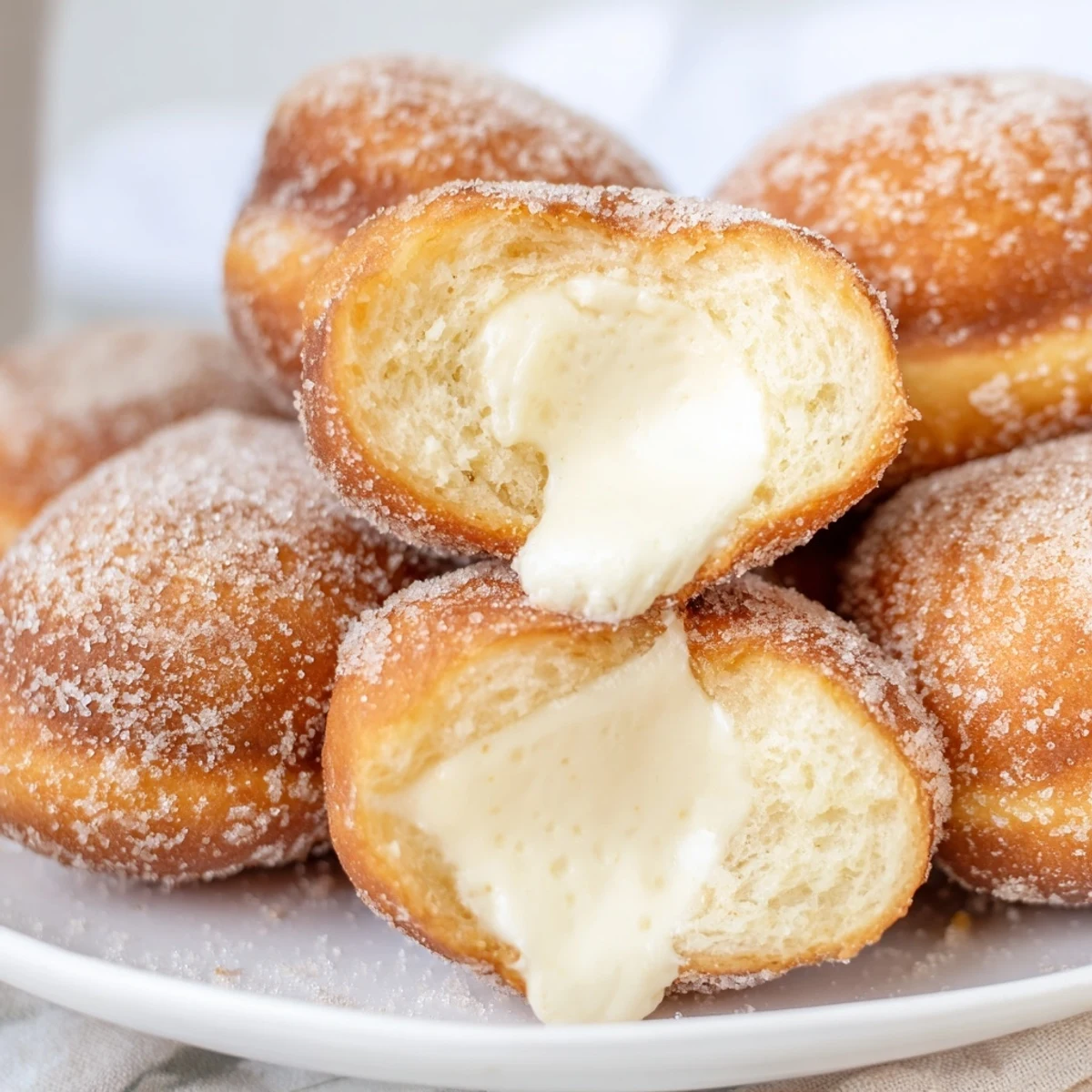
Save There is something magical about homemade donuts that makes any morning feel special. I hope these bring as much joy to your kitchen as they have to mine.
Recipe Questions & Answers
- → What makes bomboloni different from regular donuts?
-
Bomboloni are Italian-style donuts characterized by their incredibly light, airy texture and generous cream filling. Unlike American ring donuts or cake donuts, bomboloni use a yeast-raised dough similar to brioche, creating a pillowy interior. They're always filled—typically with pastry cream—and rolled in granulated sugar while warm, creating a distinctive crunchy exterior that contrasts beautifully with the soft dough and creamy center.
- → Can I make the dough ahead of time?
-
Absolutely. The dough can be prepared and refrigerated overnight for its first rise. This slow fermentation actually develops better flavor. Simply let the dough come to room temperature before rolling and cutting. Alternatively, you can fry the donuts in advance and fill them just before serving—though they're definitely best enjoyed the same day they're made, when the sugar coating remains crisp.
- → What's the best way to fill bomboloni without making a mess?
-
Use a piping bag fitted with a plain round tip (about 1/4-inch diameter). Poke a small hole in the side of each cooled donut using a skewer or the piping tip itself, gently wiggling to create space inside. Insert the tip about halfway through and squeeze slowly until you feel slight resistance—the donut will become noticeably heavier. Stop before the cream bursts back out. Practice with one or two before filling the rest.
- → Can I bake these instead of frying?
-
While baking produces a lighter, less oily result, it won't give you the authentic bomboloni experience. The fried version has that signature golden crust and tender interior that defines these Italian treats. If you prefer baking, brush the dough rounds with egg wash and bake at 375°F (190°C) for 12-15 minutes, then roll in sugar while warm. They'll be delicious but more like cream-filled muffins than traditional bomboloni.
- → How do I know when the oil is at the right temperature?
-
Use a kitchen thermometer and maintain the oil at 350°F (175°C) throughout frying. If you don't have a thermometer, test by dropping a small piece of dough into the oil—it should sizzle immediately and rise to the surface within seconds, turning golden brown in about 2 minutes. If the oil is too cool, the donuts will absorb excess oil and become greasy; too hot, and they'll burn outside while remaining raw inside. Adjust heat as needed between batches.
- → Can I make chocolate or other flavored fillings?
-
Certainly. The pastry cream base is highly adaptable. For chocolate cream, whisk 3 tablespoons cocoa powder with the cornstarch and sugar before adding the yolks. For lemon cream, add 2 tablespoons lemon juice and 1 tablespoon zest to the finished custard. Pistachio, hazelnut, or even coffee variations work beautifully. The vanilla classic remains the most traditional, but these flavor variations are common in Italian pasticcerie and make wonderful additions to your repertoire.