
 Save
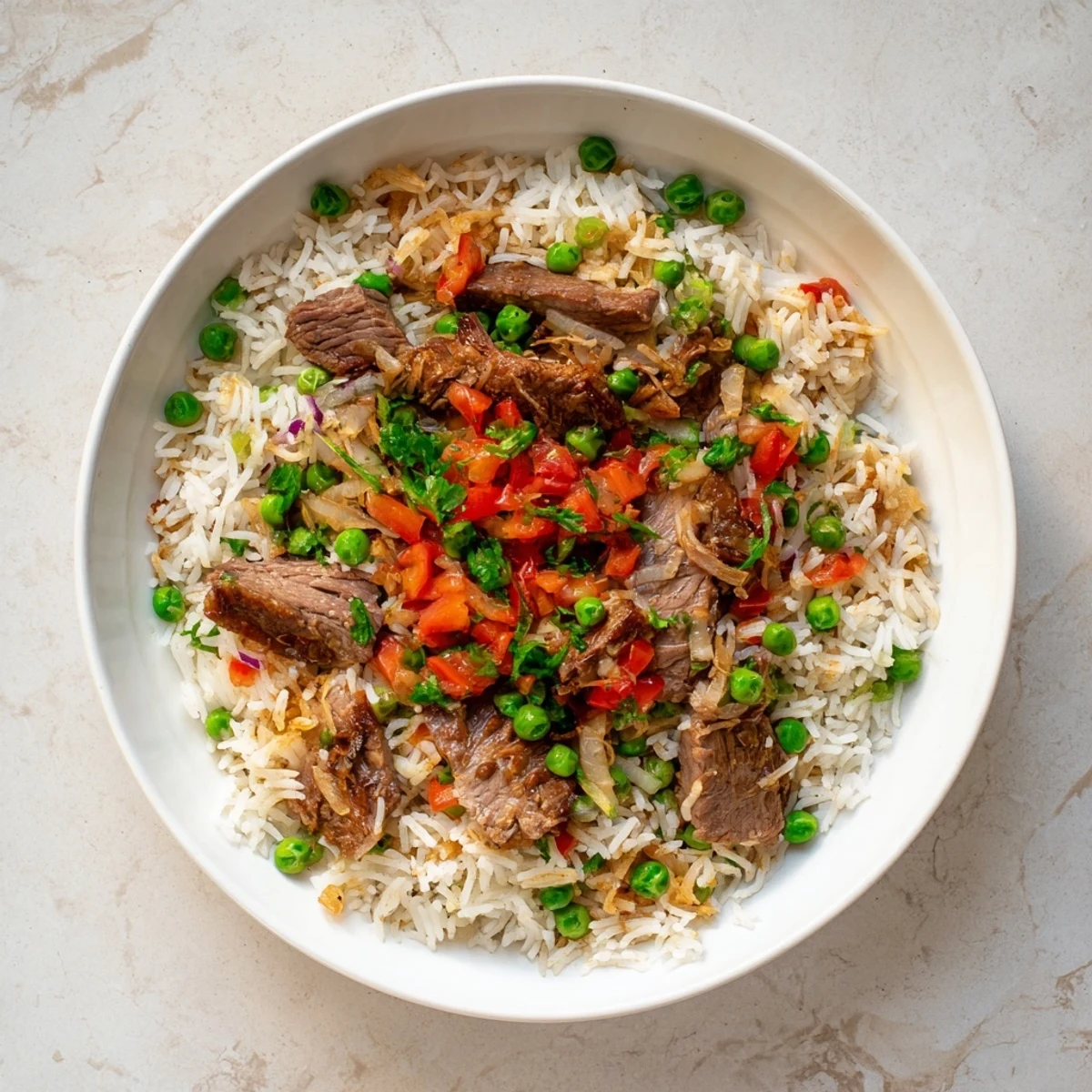
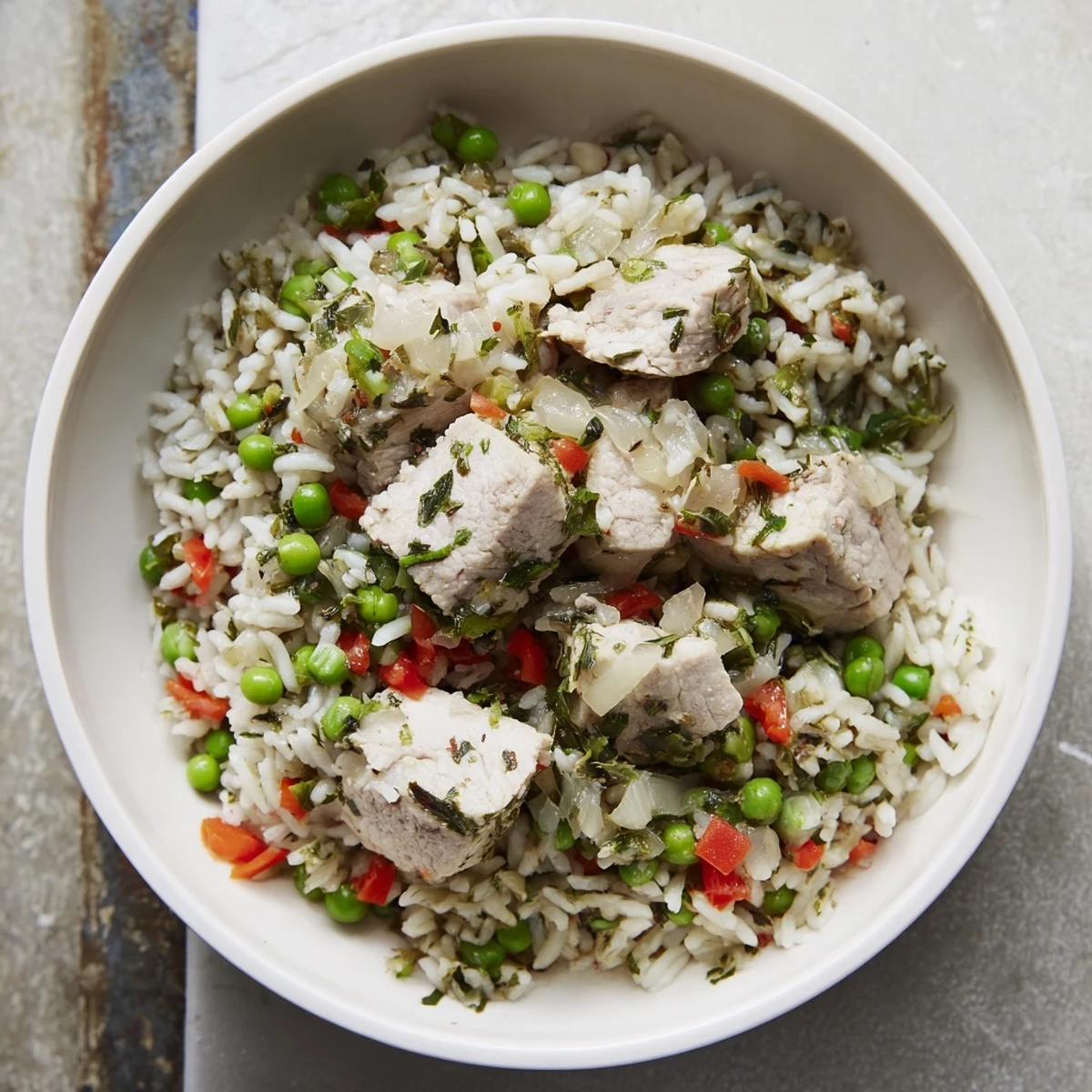
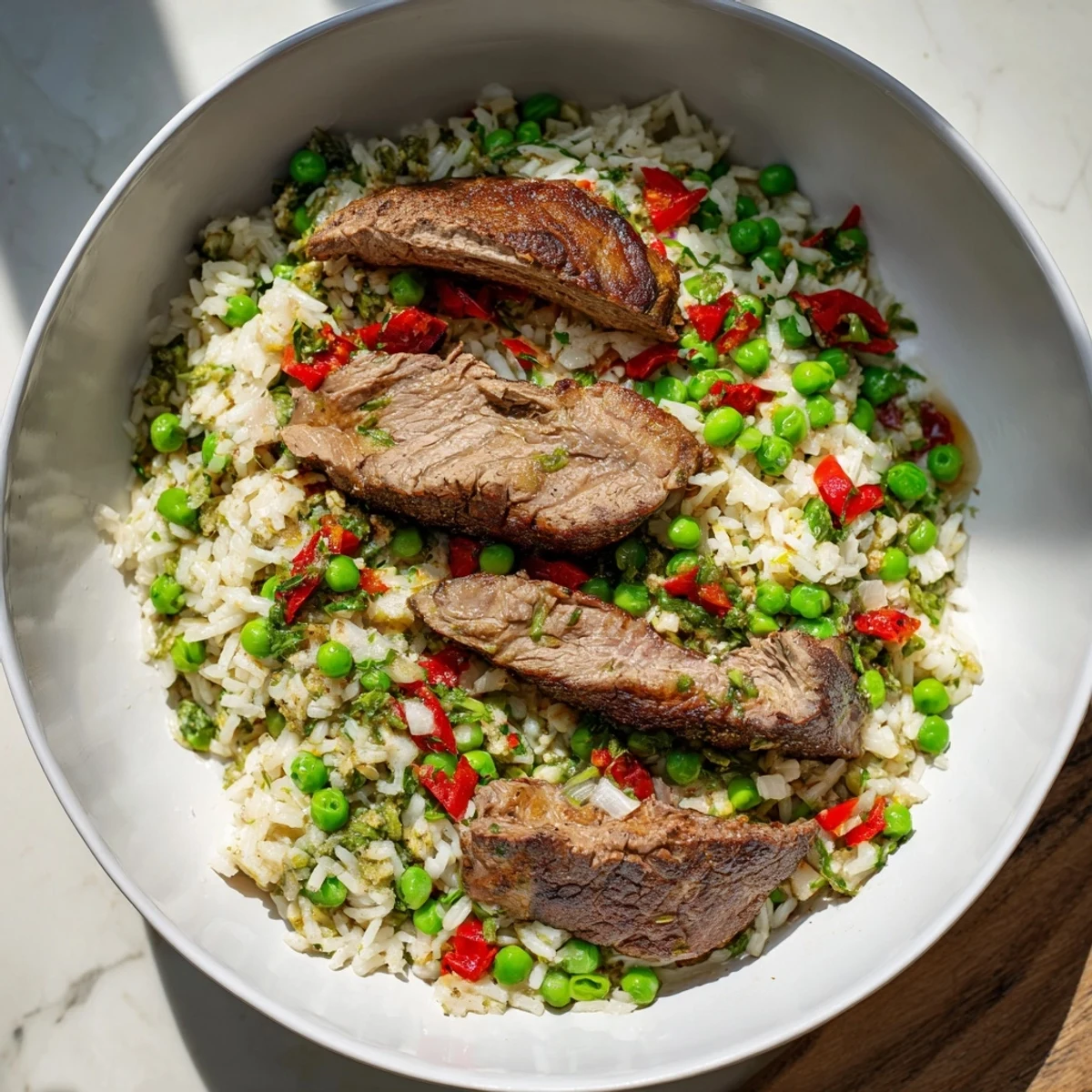
Save This one-pan dish combines tender strips of beef with fluffy long-grain rice and a medley of sautéed vegetables, including onion, garlic, bell pepper, and peas. Seasoned with smoked paprika and thyme, it simmers gently in a flavorful broth enhanced by soy sauce. Ready in 45 minutes, it’s a comforting meal perfect for busy evenings, finished with fresh parsley for a bright touch.
There's something magical about the sound of beef hitting a hot skillet on a busy Tuesday night—that sizzle that tells you dinner is actually happening. I discovered this beef and rice skillet years ago when I was determined to prove that weeknight cooking didn't have to mean takeout boxes piling up on the counter. One pan, thirty minutes, and suddenly the whole kitchen smells like garlic and possibility.
I made this for my roommate on a night when she came home stressed about work, and watching her face change from tired to genuinely happy after that first bite reminded me why I love cooking. She asked for the recipe the next day, and now it's her go-to when she needs something that feels like a hug in a bowl.
Ingredients
- Beef sirloin or flank steak (400 g): Thin strips cook quickly and stay tender when you don't overcrowd the pan—give them space to sear properly.
- Long-grain white rice (1 cup, rinsed): Rinsing removes excess starch so each grain stays separate and fluffy instead of gluey.
- Beef broth (2 1/4 cups): This is your liquid foundation, so use something you'd actually taste on its own—it makes a real difference.
- Onion, garlic, and red bell pepper: These three are your aromatic base that builds flavor as they soften in the pan.
- Frozen peas (1 cup): They go in at the end so they stay bright and crisp rather than turning mushy.
- Soy sauce (2 tablespoons): This adds savory depth that makes people ask what your secret ingredient is.
- Smoked paprika and dried thyme: Together they create an earthy warmth that ties everything together.
- Olive oil (1 tablespoon): Just enough to get your pan hot enough to properly sear the meat.
Instructions
- Get Your Pan Ready:
- Heat olive oil in a large skillet over medium-high heat until it shimmers and moves easily across the surface. You'll know it's ready when a piece of beef sizzles immediately—that's your signal to start cooking.
- Sear the Beef:
- Add beef strips in a single layer, season with salt and pepper, and don't move them around. Let them sit for 2–3 minutes until they develop a golden crust, then remove and set aside on a plate.
- Build Your Flavor Base:
- In the same skillet, add onion, garlic, and bell pepper. Sauté for 3–4 minutes, stirring occasionally, until everything softens and the garlic becomes fragrant—this is where the magic starts.
- Toast the Rice:
- Stir in the rinsed rice, smoked paprika, and thyme. Cook for about 1 minute, stirring constantly, so the rice gets lightly coated with oil and the spices bloom.
- Add the Liquid:
- Pour in beef broth and soy sauce, then bring everything to a boil. You should see active bubbles across the surface and smell that rich beef aroma.
- Simmer Gently:
- Reduce heat to low, cover with a lid, and let it cook undisturbed for 15 minutes. The rice will absorb the liquid and become tender, and the kitchen will fill with the most comforting smell.
- Finish Together:
- Add frozen peas and return the beef to the pan, stirring gently to distribute everything evenly. Cover again and cook for another 5–7 minutes until the rice is completely tender and the liquid has been absorbed.
- Rest and Fluff:
- Remove from heat and let stand covered for 5 minutes—this helps everything settle and finish cooking gently. Fluff with a fork, garnish with fresh parsley if you have it, and serve hot.
 Save
Save The moment I realized this dish was special was when my partner came home, saw the skillet on the table, and immediately sat down without even taking off his coat. That's when I understood this wasn't just a recipe—it was comfort translated into a meal.
Why One-Pan Cooking Changes Everything
Cooking in one skillet forces you to build layers of flavor as you go instead of juggling multiple pots. Each element—the beef, the vegetables, the rice—contributes something to the pan before it all comes together. It's actually a more mindful way to cook, and somehow everything tastes better because of it.
The Secret to Tender Beef in a Skillet
The reason the beef stays tender is because you're not cooking it all the way through at the start. You sear it for color and flavor, then it finishes cooking gently in the steaming rice where it stays moist. If you fully cooked it upfront, it would toughen up by the time everything was ready to eat.
Easy Variations and Next Steps
This recipe is your foundation, and it's surprisingly flexible once you understand how it works. Brown rice takes about 10 minutes longer and needs a little extra broth, which makes it earthier and nuttier if you want to go that route.
- Add a splash of Worcestershire sauce with the soy sauce for extra savory depth that lingers on your tongue.
- Stir in a handful of chopped fresh spinach or mushrooms during the last few minutes of cooking for more vegetables without extra dishes.
- Serve with a simple side salad or steamed greens to balance the richness and make it feel like a complete meal.
 Save
Save This skillet has fed me through countless busy nights and impressed people who thought I was a much fancier cook than I actually am. It's proof that simple, thoughtful cooking—the kind you do with love—is always enough.
Recipe Questions & Answers
- → Can I substitute brown rice in this dish?
-
Yes, using brown rice will require a longer simmer time (about 10-15 minutes more) and additional broth to ensure the rice cooks fully.
- → What is the best cut of beef to use?
-
Lean cuts like sirloin or flank steak sliced thinly work best, as they cook quickly and stay tender in this skillet preparation.
- → How can I make this dish gluten-free?
-
Use gluten-free soy sauce and broth to keep the dish safe for gluten-sensitive diets without compromising flavor.
- → Is it possible to add more vegetables?
-
Absolutely, vegetables like zucchini or mushrooms can be added during the sauté step to increase nutritional variety.
- → What should I use to garnish the dish?
-
Fresh chopped parsley adds a bright, fresh touch when sprinkled just before serving.