
 Save
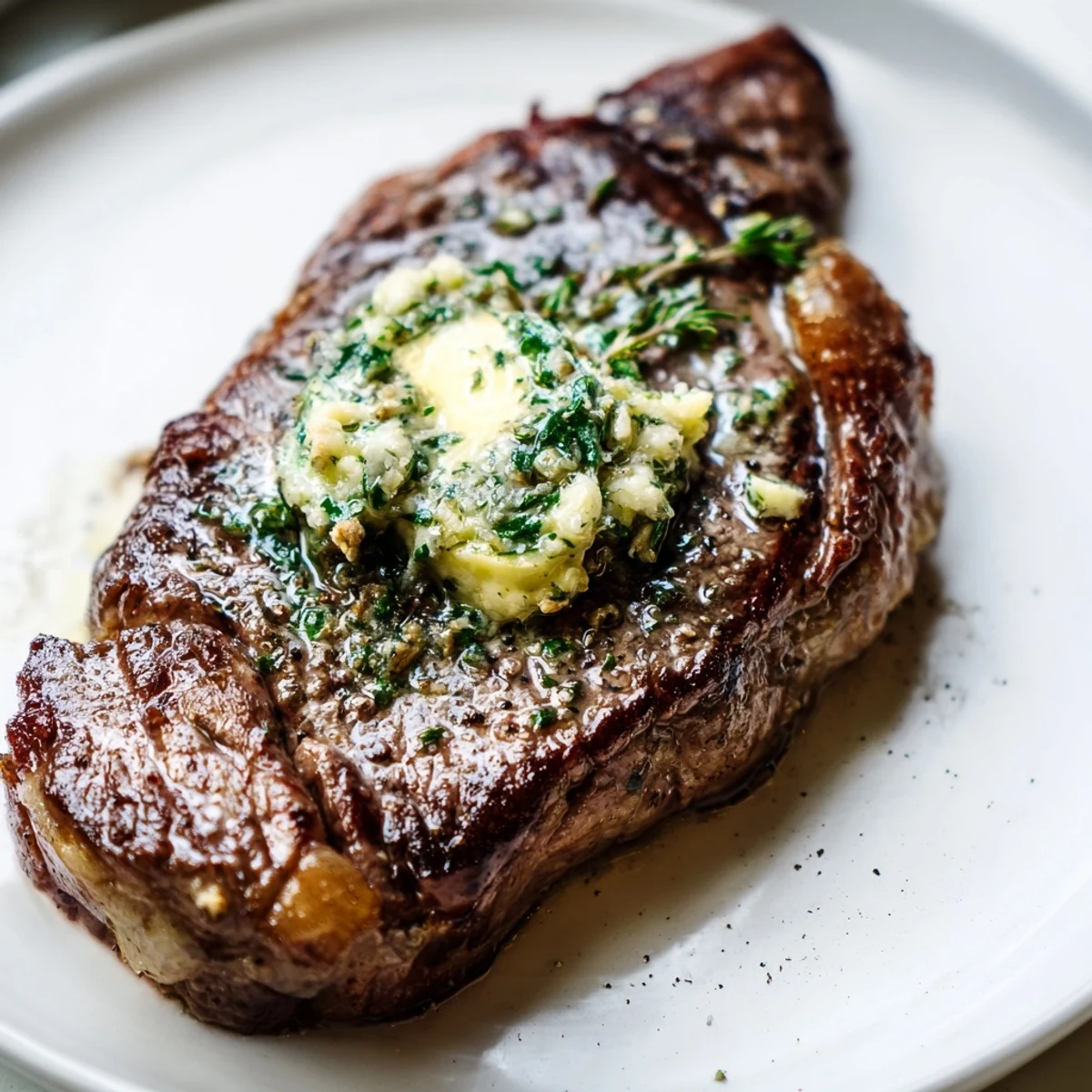
Save This dish features tender, ribeye beef steaks seared to perfection with a crispy crust and juicy interior. The steaks are seasoned simply with kosher salt and black pepper, then topped with a fragrant garlic herb butter made from parsley, thyme, and butter. Cooking in a hot cast iron skillet seals in the flavors, while resting the meat ensures each bite is juicy and tender. Ideal for an easy, flavorful main course that pairs well with roasted vegetables or a crisp salad.
There's something almost meditative about the moment a cold steak hits a screaming hot pan—that violent sizzle that fills your whole kitchen and announces something important is happening. I learned to cook steak properly not from a cookbook but from standing shoulder-to-shoulder with someone in a tiny apartment kitchen, watching them refuse to flip the meat more than once, listening to them insist that patience and heat were everything. That night, everything changed about how I understood dinner.
I made this for someone who claimed they didn't really like steak, which in hindsight was probably them being polite about previous attempts. When they tasted this version—the crust, the butter, the exact moment when they closed their eyes—I watched their whole relationship with the dish shift in real time. That's when I understood that technique isn't pretentious; it's actually just respect for good ingredients.
Ingredients
- Ribeye steaks (2, 8 oz each, 1 inch thick): Ribeye has the right balance of tenderness and flavor-rich marbling; thinner steaks cook unevenly, thicker ones are harder to get a proper crust without overcooking.
- Kosher salt: Coarser grains dissolve slower and season more evenly than table salt.
- Freshly ground black pepper: Pre-ground loses its punch; grind it yourself right before cooking.
- Unsalted butter: You're controlling the salt, so unsalted lets you build flavor exactly how you want it.
- Fresh garlic (1 clove, minced): One clove is gentle enough to complement without overpowering the beef's own richness.
- Fresh parsley and thyme: These aren't decoration; they add brightness and a subtle herbal note that makes butter taste like something special.
- Olive oil (1 tbsp): High smoke point oil keeps the pan from burning while you get that golden crust.
Instructions
- Bring steaks to life:
- Pull your steaks from the refrigerator and let them sit on the counter for 30 minutes—this is when the inside actually has time to warm up enough to cook evenly. Pat them completely dry with paper towels; any moisture is steam, and steam is the enemy of a good crust.
- Season generously:
- Don't be shy with salt and pepper—these steaks are thick enough to handle it, and you're building a flavorful crust, not just dusting the surface. Let the seasoning sit while they finish warming up.
- Make your butter mixture:
- Mince your garlic fine, chop your herbs, and mix them with soft butter in a small bowl until it's well combined. This is your secret weapon, and it works best when everything is actually incorporated.
- Get your pan screaming hot:
- Heat your skillet over high heat with the olive oil until you see just a whisper of smoke—this is the exact moment you want to add the steaks. Any cooler and you won't get the crust; any hotter and the outside burns before the inside cooks.
- Sear without moving:
- Place steaks in the pan and do not touch them for 3-4 minutes—flip only once. The stillness is what builds that golden, crusty exterior. Listen for the sizzle; if it's not loud, your pan isn't hot enough.
- Baste with butter in the final minute:
- When the steaks are almost done, add your herb butter to the pan and tilt the skillet so the foaming, golden butter rolls over the meat. This last minute of basting adds flavor and keeps everything tender.
- Rest before serving:
- Remove the steaks to a plate and let them sit for 5 minutes—this lets the juices redistribute instead of running all over your plate the second you cut into them. Those 5 minutes matter more than you'd think.
 Save
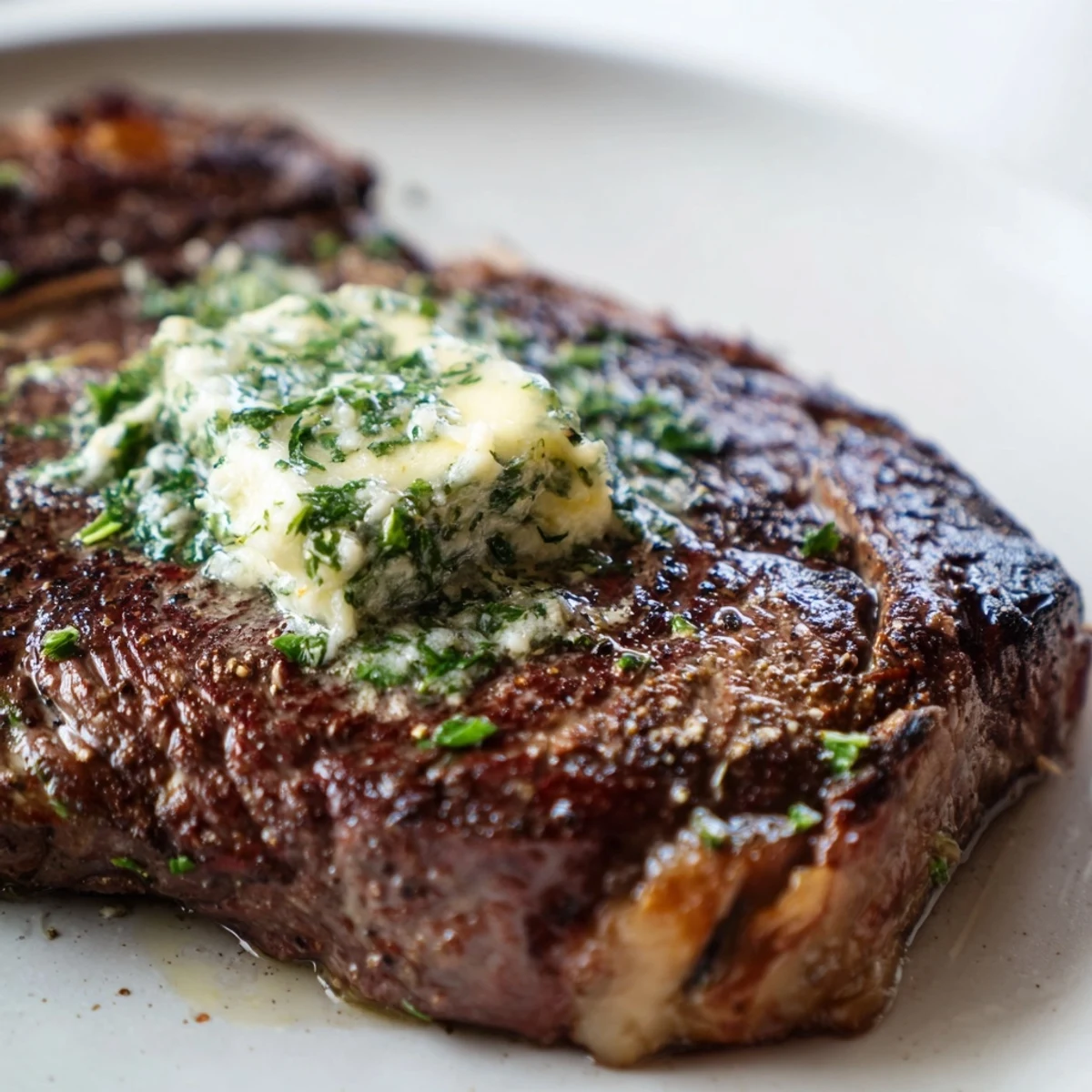
Save There's a specific moment when you pull a properly rested steak from the pan and see the juices have settled back into the meat instead of pooling on the plate—that's when you realize you've done it right. It's a small thing, but it's the difference between a dinner and a meal that sticks with you.
The Herb Butter Magic
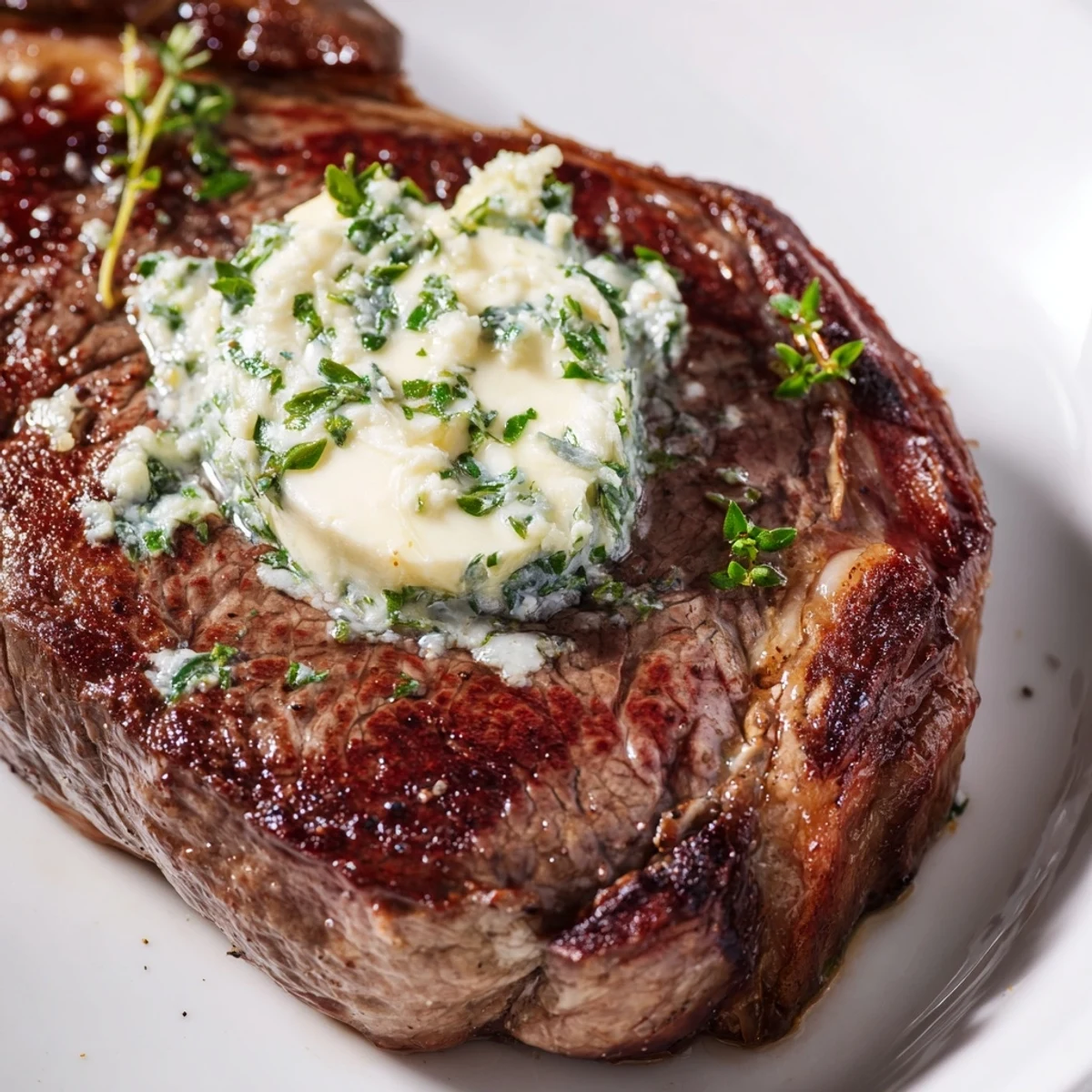
The herb butter isn't just a topping; it's what transforms seared beef into something that tastes intentional. Softened butter emulsifies with the pan's heat and becomes a sauce that clings to every surface, carrying garlic and herbs into every bite. You could skip it, but why would you—it takes five minutes to make and changes everything.
Choosing Your Cut
Ribeye wins here because the marbling keeps the meat juicy even if your timing is slightly off, and it has enough flavor that you don't need to do much to it besides sear and season. Other cuts work—New York strip is leaner and more elegant, filet is tender but mild—but ribeye is forgiving and delicious, which is exactly what you want for a weeknight dinner that needs to feel effortless.
Serving and Pairing
This steak doesn't need much—a simple green salad, roasted vegetables, or creamy mashed potatoes are all perfect alongside. The flavors are clean enough that you could serve it with nothing but lemon wedges and be completely satisfied. Whatever you choose, give the steak space to be the main event.
- A Cabernet Sauvignon or other full-bodied red wine turns this into the kind of dinner you remember.
- Fresh lemon wedges brighten everything without competing with the herb butter.
- Let the steak rest on warm plates so it doesn't cool while you plate everything else.
 Save
Save A perfect steak is proof that you don't need complicated techniques or a long ingredient list to create something that feels genuinely special. It's just heat, timing, and respect for what you're cooking.
Recipe Questions & Answers
- → How do you achieve a perfect sear on the steak?
-
Use a heavy skillet, preferably cast iron, heated until just smoking. Pat steaks dry and season before searing for 3-4 minutes per side without moving too often.
- → What is the purpose of letting the steak rest after cooking?
-
Resting allows the juices to redistribute throughout the meat, resulting in a juicier and more tender steak.
- → Can I use other herbs besides parsley and thyme in the butter?
-
Yes, rosemary or sage can also be added for enhanced flavor during cooking or in the herb butter.
- → What level of doneness is best for this steak preparation?
-
Medium-rare is ideal to preserve juiciness and tenderness, searing 3-4 minutes per side, but adjust cooking time based on preference.
- → What side dishes complement this beef steak?
-
Mashed potatoes, roasted vegetables, or a crisp green salad provide great balance and enhance the dining experience.