
 Save
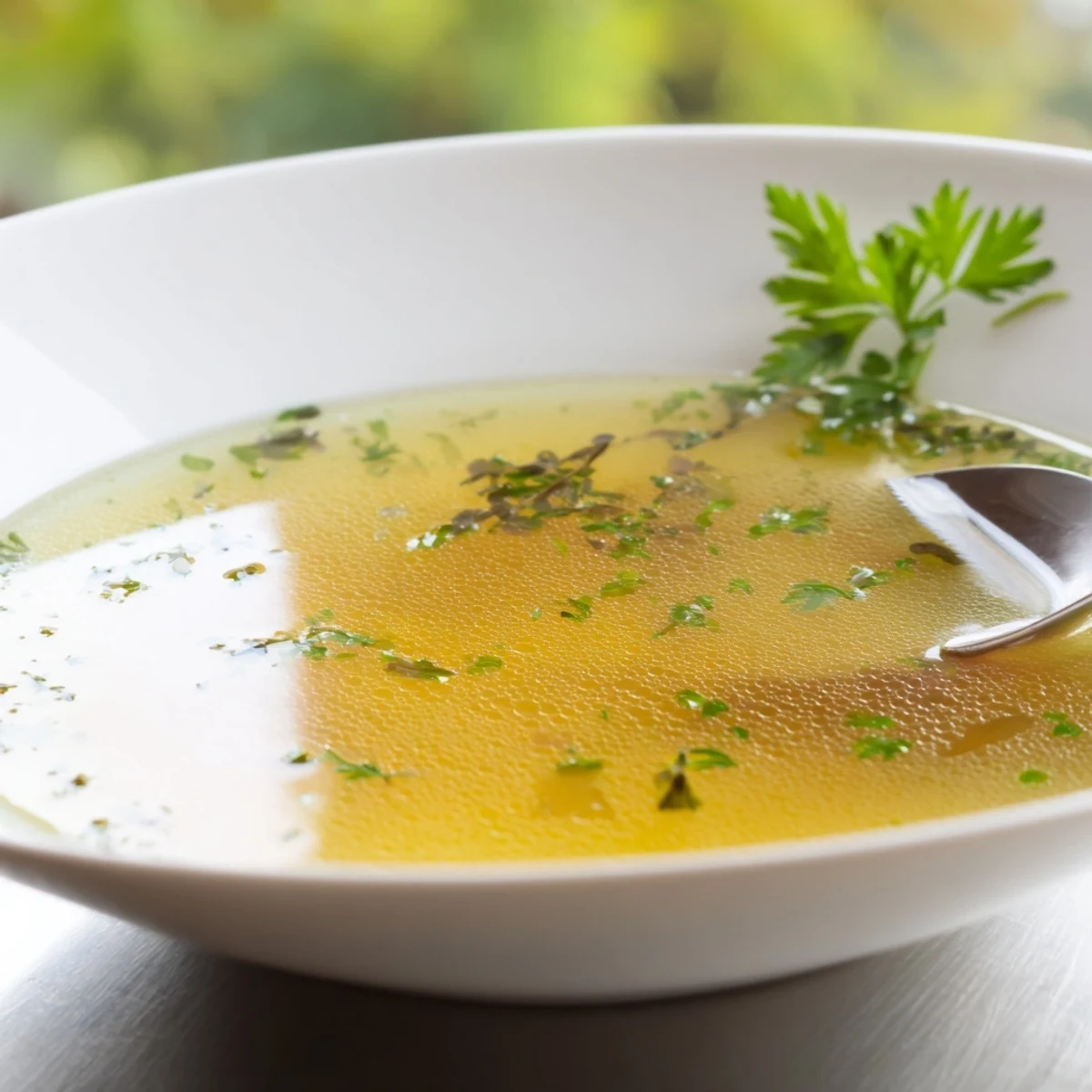
Save This homemade broth features a deep, savory flavor achieved by roasting beef bones and simmering them with aromatic vegetables and herbs. The slow simmer extracts rich gelatin and nutrients, creating a versatile liquid ideal for enhancing soups, stews, and sauces. Skimming during cooking ensures a clear, clean finish. Cooling allows removal of excess fat, resulting in a pure and flavorful base for many dishes.
I still remember the first time I made beef broth from scratch—it was a chilly weekend, and the cozy aroma filling the kitchen made the whole house feel like home.
One afternoon, when unexpected guests showed up, I realized how having homemade beef broth simmering gently on the stove was a lifesaver for a quick, hearty meal.
Ingredients
- Beef bones (marrow or knuckle, ideally with some meat attached): These are the heart of the broth, giving it that rich depth you can’t fake—roasting first really lifts their flavor.
- Beef shank or stew meat (optional): For an even richer taste, toss this in, especially if you want a little more body to your broth.
- Carrots, celery, onions, leek, garlic: Aromatics that layer in sweetness and earthiness—don’t skip roasting vegetables for that caramelized touch.
- Bay leaves, black peppercorns, fresh parsley, thyme, salt: Classic herbs and seasoning to build the ultimate savory profile.
- Cold water: Essential to start the slow simmer that coaxes every bit of flavor out without clouding the broth.
Instructions
- Roast the Bones and Veggies:
- Preheat your oven to 220°C (430°F) and spread beef bones and meat on a roasting pan. That smell of browning meat and sweet roasted veggies will fill your kitchen with anticipation.
- Start the Stock:
- Move the roasted bits to a big stockpot and add carrots, celery, onions, leek, and smashed garlic, pouring cold water to cover all ingredients, then bring to a gentle boil before reducing to low heat.
- Skim and Simmer:
- Watch for foam rising in the first 30 minutes—skim it off carefully for clear broth, then toss in your bay leaves, peppercorns, parsley, thyme, and salt, letting it simmer uncovered for 3.5 hours while the flavors meld slowly.
- Final Touches:
- Occasionally skim any fat or impurities, then remove the pot from heat and strain broth through a fine mesh sieve or cheesecloth into something clean. Discard solids, cool, refrigerate, and once cold, skim off solidified fat.
- Adjust and Use:
- Taste and add salt if needed; your homemade broth is now ready to transform your next soup, stew, or sauce.
 Save
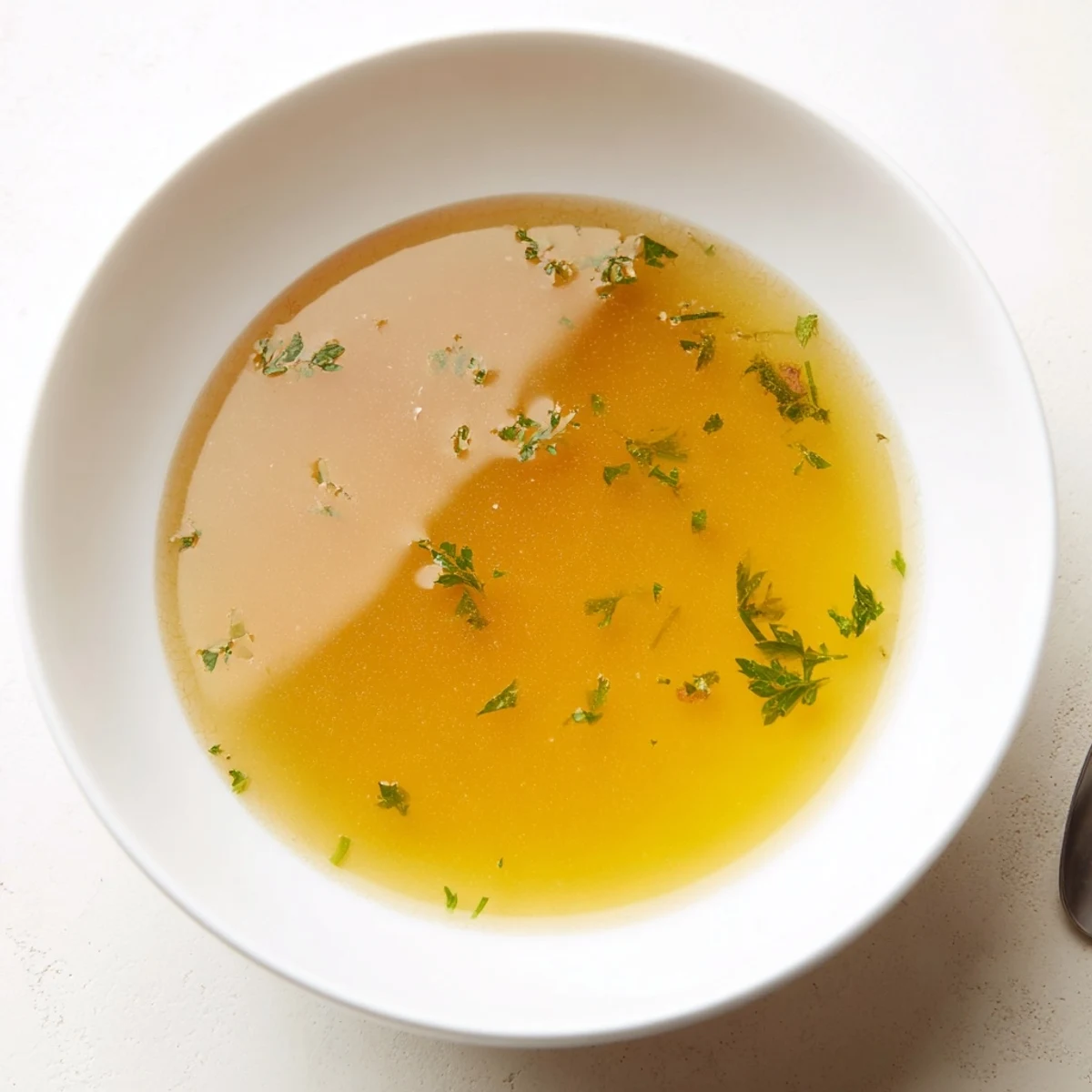
Save It’s not just a broth—this dish has seen me through celebrations, quick dinners, and quiet evenings, always a warm reminder of how patience in the kitchen pays off.
Keeping It Fresh
Once cooled, this broth stores beautifully in the fridge for several days or freezes well in portions, making future meals a breeze without sacrificing taste.
When You're Missing Something
If you’re missing fresh herbs or certain vegetables, don’t stress—thyme and parsley can be swapped out for dried versions, and other aromatics like bay leaves and garlic really hold the fort.
Serving Ideas That Clicked
This broth has become my go-to base for comforting soups, risottos, and even sauces—its versatility always impresses guests.
- Remember to cool broth fully before refrigerating or freezing to avoid cloudiness or off flavors
- Straining carefully ensures your broth stays clear and visually inviting
- Never hesitate to adjust salt and seasoning at the end for perfect balance
 Save
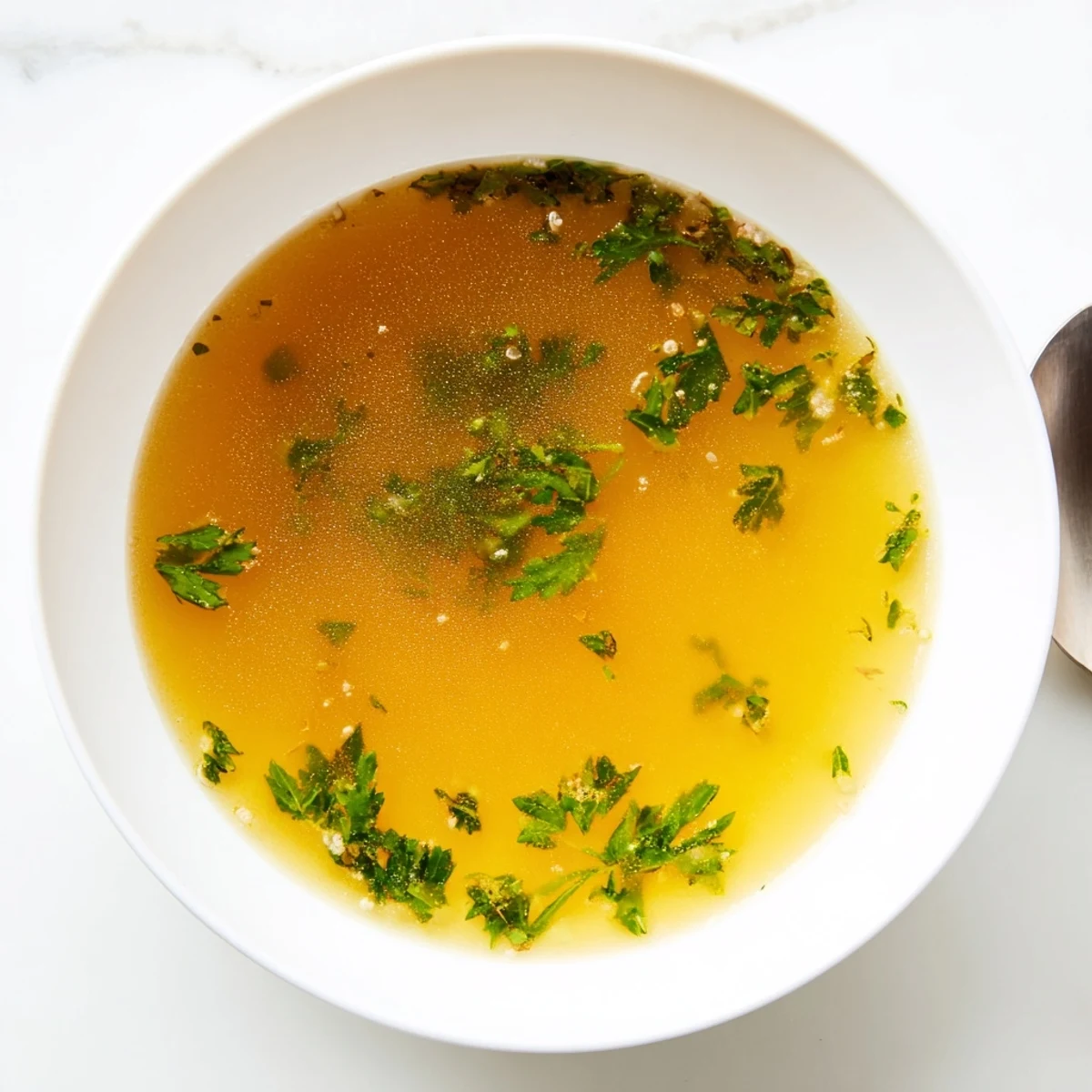
Save Thanks for stopping by and sharing this kitchen moment with me—may your broth always be warm and your table full of good company.
Recipe Questions & Answers
- → What cuts of beef bones work best for this broth?
-
Marrow or knuckle bones with some attached meat are ideal as they release gelatin and rich flavors during simmering.
- → Why roast the bones before simmering?
-
Roasting develops deeper color and a richer, caramelized flavor that enhances the broth’s complexity.
- → How long should the broth simmer?
-
Simmering for about 3.5 to 4 hours allows full extraction of flavors and nutrients from the bones and aromatics.
- → Should I skim the broth during cooking?
-
Yes, skimming off foam and impurities as they rise ensures a clear and clean-tasting broth.
- → How can I store the broth after cooking?
-
Cool completely, refrigerate, and remove solidified fat once chilled. It can also be frozen in portions for later use.