
 Save
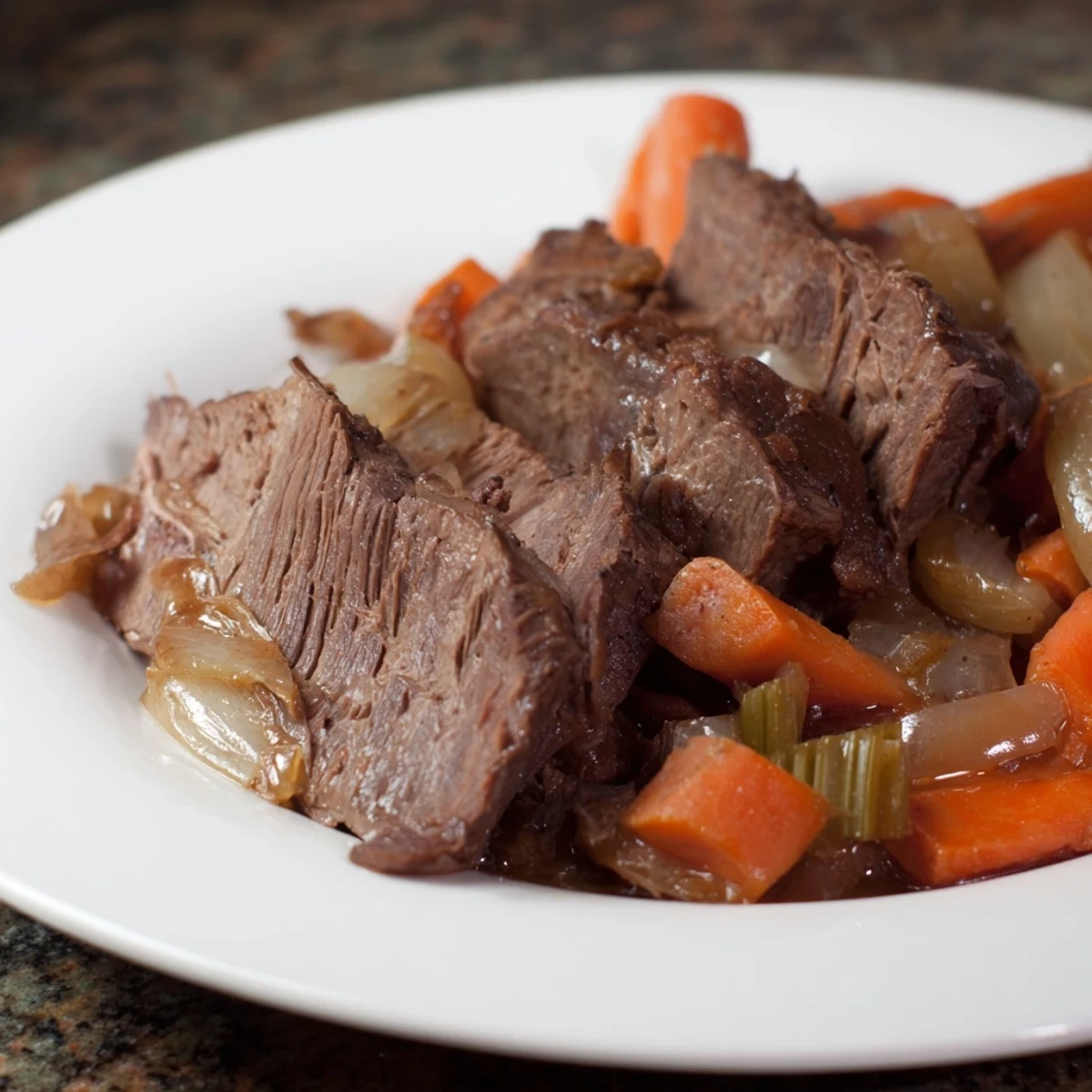
Save This dish features a 4 lb beef brisket seared to develop deep flavors, then slowly braised in a mixture of red wine, beef broth, and aromatic herbs like thyme and bay leaves. Vegetables such as onions, carrots, celery, and garlic are sautéed and cooked alongside the meat, creating a rich pan sauce. The brisket is cooked low and slow in the oven until fork-tender, then rested before slicing against the grain for maximum tenderness. Perfect for family meals and gatherings, this dish balances smoky, savory notes with hearty vegetables.
I'll never forget the first time my grandmother pulled a beef brisket from her oven on a Sunday afternoon. The entire house smelled like wine, garlic, and promises of something deeply comforting. She'd been braising it since morning, and when she finally sliced into that mahogany-dark meat, it fell apart at the gentlest touch of the knife. That's when I understood that patience in the kitchen isn't a sacrifice—it's an investment in moments that matter.
I made this for my partner's family dinner last winter, nervous about whether I could actually pull off something so impressive. When I brought that pot to the table three and a half hours later and started slicing, the way everyone's faces lit up told me everything. That brisket became the centerpiece of a conversation that lasted hours, the kind of meal that people remember and ask for again.
Ingredients
- Beef brisket (4 lbs, trimmed): Look for good marbling and let your butcher trim the excess fat cap. This cut needs those hours to break down its connective tissue into silky gelatin—that's where the magic happens.
- Onions (2 large, sliced): They'll dissolve into the braising liquid, thickening it with natural sweetness. Slice them thick enough that they hold their shape through cooking.
- Garlic (4 cloves, minced): Mince it fine so it dissolves into the sauce rather than leaving sharp chunks. Fresh garlic here makes all the difference.
- Carrots (3, peeled and chunked): Cut them larger than you think you need—they'll soften considerably and you want pieces that stay defined in the finished dish.
- Celery stalks (2, chunked): This is your secret flavor builder working quietly in the background, adding depth that makes people ask what you did differently.
- Beef broth (2 cups): Use good quality broth here; it becomes the soul of your sauce. Cold broth will slow the braising, so use room temperature or warm if you can.
- Dry red wine (1 cup): Don't use anything you wouldn't drink. The wine cooks down and concentrates, so cheap wine makes cheap-tasting sauce. A simple Cabernet or Merlot works beautifully.
- Worcestershire sauce (2 tbsp): This adds umami depth that you can't quite identify but absolutely taste. Check the label if you're sensitive to anchovies.
- Olive oil (2 tbsp): You need enough to get a proper sear on the brisket without the meat steaming instead of browning.
- Kosher salt (2 tsp): Season generously on the meat itself before searing—this is when salt does its best work, drawing moisture briefly then reabsorbing it to tenderize.
- Black pepper (1 tsp): Fresh cracked if possible. Add it before searing so it blooms in the heat.
- Smoked paprika (1 tbsp): This isn't just color; it adds a whisper of smokiness that complements the braising liquid beautifully.
- Dried thyme (2 tsp): Thyme is more forgiving than fresh in long braises—it won't turn bitter like some herbs do.
- Bay leaves (2): Fish them out before serving, but their subtle piney note is essential to the sauce.
Instructions
- Set your stage:
- Preheat your oven to 325°F. This lower temperature is intentional—it cooks the brisket gently from all sides, breaking down collagen into gelatin without drying the surface. Let the oven warm fully while you prep.
- Season the star:
- Pat your brisket completely dry with paper towels. Moisture is the enemy of browning. Sprinkle salt, pepper, and smoked paprika all over, getting into the crevices. Let it sit for a minute—the salt needs that brief moment to start its work.
- Achieve the sear:
- Heat olive oil in your Dutch oven over medium-high heat until it shimmers and moves like water. You'll know it's ready when a piece of onion sizzles immediately. Lay the brisket fat side down and don't touch it for four full minutes. You want a deep mahogany crust, not gray. Flip and repeat on the other side. This crust is flavor insurance.
- Build your foundation:
- Remove the brisket and add onions, carrots, celery, and garlic to the same pot. The fond—those brown crusty bits stuck to the bottom—is liquid gold. Your vegetables will soften and start releasing their sweetness as they caramelize. Stir occasionally for about five minutes until they're golden and tender.
- Deglaze with wine:
- Pour in your red wine and immediately start scraping the bottom with a wooden spoon. All that fond dissolves into the wine, creating a deep, complex base. You'll smell the transformation. Let it bubble gently for two minutes, reducing slightly and losing its sharp edge.
- Create the braising liquid:
- Add your beef broth, Worcestershire sauce, thyme, and bay leaves. Stir to combine. The liquid should come about halfway up the sides of the brisket when it's lying fat side up. Return the brisket to the pot in that position—the fat cap bastes the meat as it cooks.
- Braise low and slow:
- Cover tightly with a lid or parchment paper and foil. This traps steam, which is essential for the moist environment that turns tough meat tender. Slide into the oven for three to three and a half hours. You'll know it's done when a fork slides through the thickest part with almost no resistance, like the meat is surrendering to the fork.
- Rest and serve:
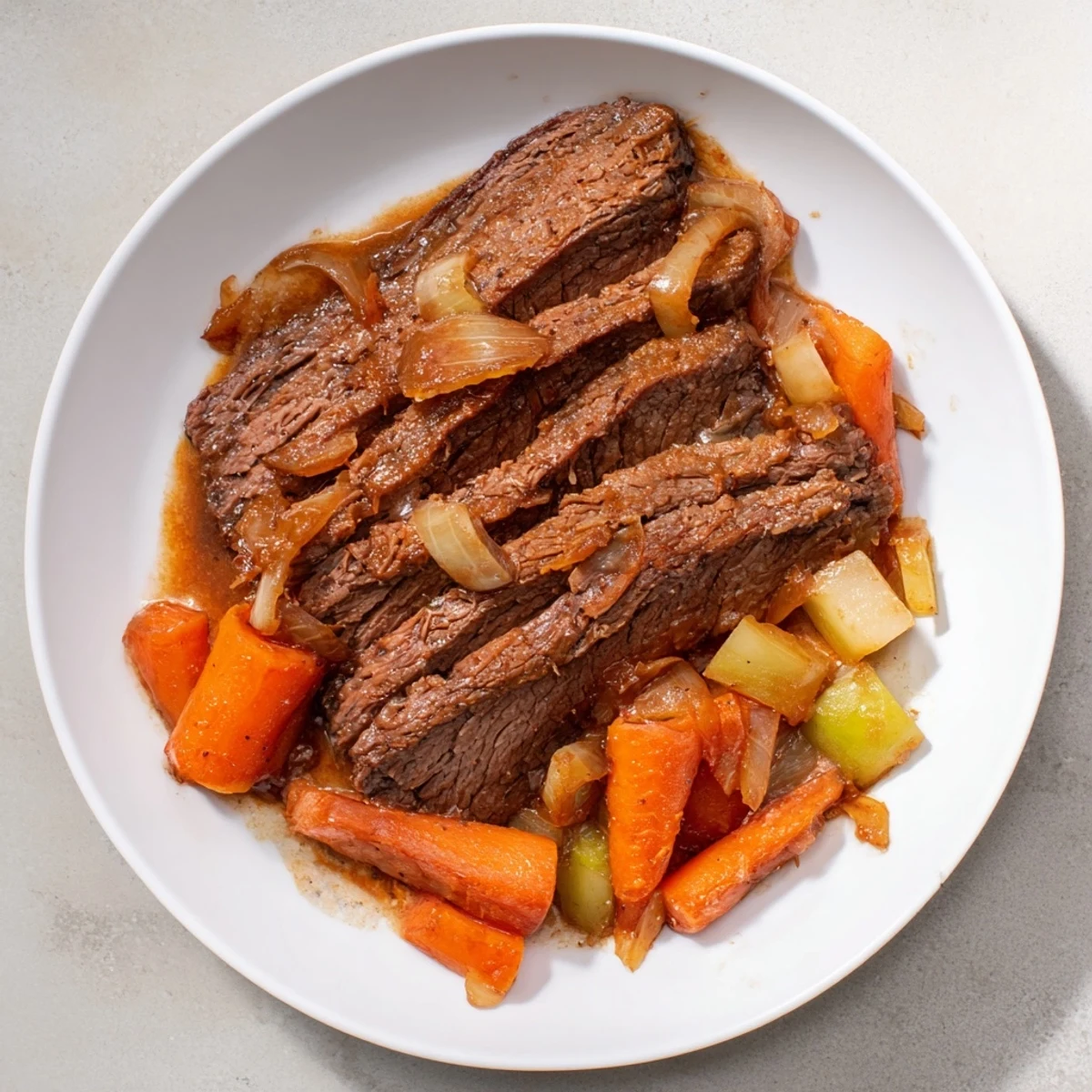
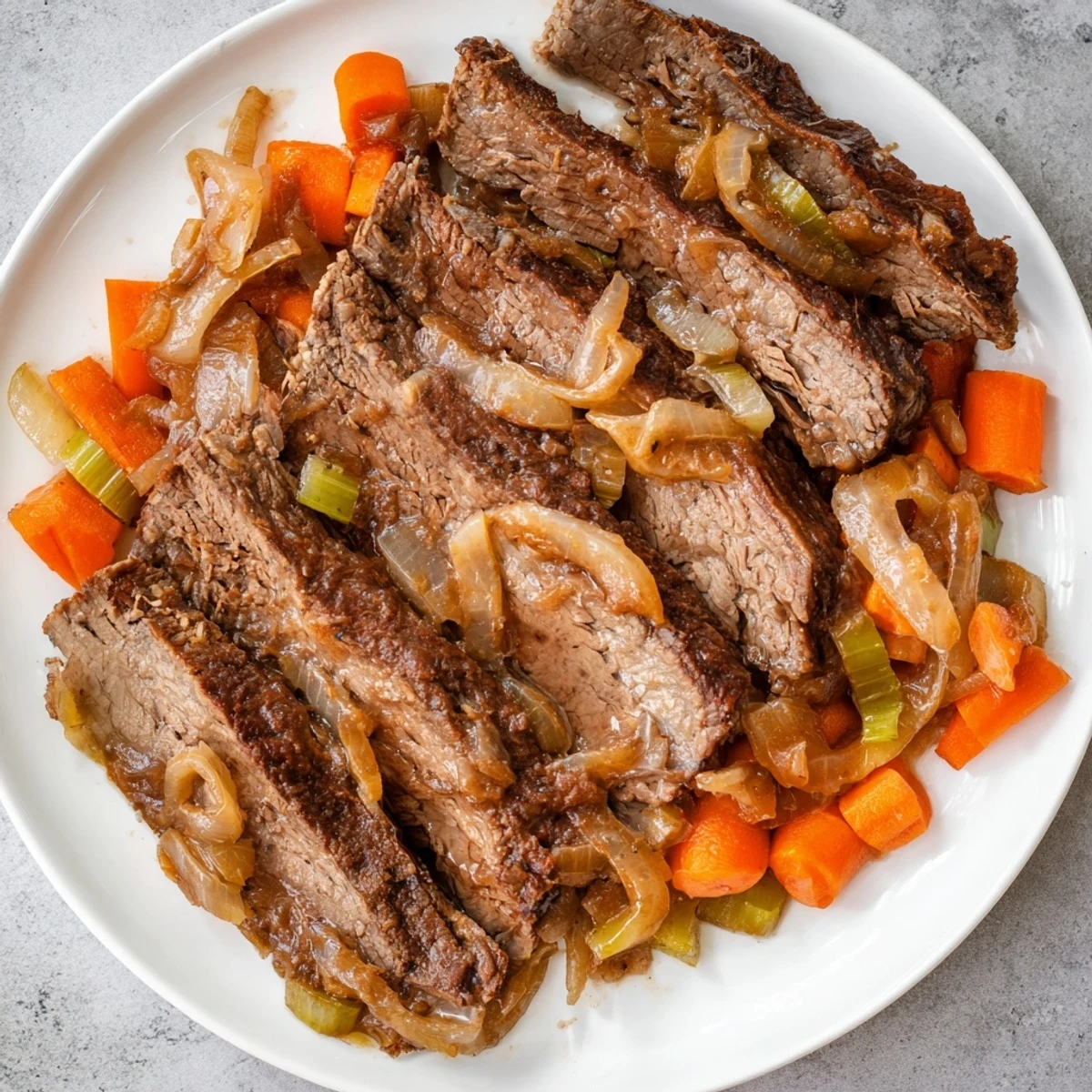
- Remove the pot from the oven carefully—it's hot everywhere. Lift the brisket onto a cutting board and let it rest for fifteen minutes. This allows the fibers to relax and reabsorb their juices. Slice against the grain, which you can see clearly in raw brisket. Serve with the vegetables and spoon that rich sauce over everything.
 Save
Save There was a moment when I pulled this brisket from the oven, and my young daughter wandered into the kitchen asking what smelled so good. When I told her it was just beef and vegetables that had been cooking together, she looked genuinely amazed that something so delicious could come from simple ingredients and time. That's when it hit me—brisket teaches patience in a way that most things don't.
Why Brisket Rewards Your Patience
Brisket is a humble cut that becomes extraordinary through respect and time. It comes from a hardworking part of the animal, full of connective tissue that seems impossible to transform. But braising—that slow, moist cooking method—literally breaks down collagen into gelatin, creating a texture that's luxurious without being heavy. The vegetables dissolve into the braising liquid, thickening it naturally. The wine mellows and concentrates. After three hours, you have something that tastes like it took days to make, but was mostly hands-off.
Building Flavor Through Layers
Every step in this recipe builds flavor intentionally. The sear creates a crust through the Maillard reaction. The vegetables soften and release their sugars. The wine reduces and mellows. The herbs infuse slowly into the liquid. The brisket's own rendered fat bastes the meat as it cooks. It's not one big flavor; it's many small flavors coming together into something greater than the sum of its parts. This is why you can't shortcut brisket—each hour adds something essential.
Serving and Storing Your Brisket
Brisket is actually better the next day, when the flavors have melded and the texture has set slightly. Slice it the first evening while it's warm and tender, then store everything in an airtight container in the fridge. The sauce will gel slightly from all that rendered gelatin, which you can warm gently before serving. Leftovers make the most incredible sandwiches—just warm the slices in the sauce and pile them on bread.
- For an overnight marinade, season the raw brisket with salt, pepper, and paprika, add a splash of red wine, cover, and refrigerate. This gives the seasoning time to penetrate before cooking.
- If you substitute beef broth for wine, add a tablespoon of vinegar or lemon juice to brighten the sauce and replace the wine's acidity.
- The brisket freezes beautifully in its braising liquid for up to three months—thaw overnight in the refrigerator before reheating gently.
 Save
Save This brisket has become my answer when someone asks what I cook when I want to feel like I've really cooked something. It asks for your presence at the beginning and end, but trusts the oven with the hard work in between. That's how the best dishes work.
Recipe Questions & Answers
- → How do I ensure the brisket is tender?
-
Low and slow cooking at a consistent temperature allows the connective tissues to break down, resulting in tender meat. Covering the pot tightly traps moisture for even braising.
- → Can I prepare the brisket in advance?
-
Yes, marinating the brisket overnight with spices and wine enhances flavor. Leftovers are excellent when sliced thin and reheated.
- → What vegetables pair well with this dish?
-
Onions, carrots, celery, and garlic are classic choices that soften and add sweetness, complementing the beef's rich flavor.
- → Is it possible to braise without red wine?
-
Absolutely. Replace red wine with additional beef broth for a milder, yet still flavorful, braising liquid.
- → How should I slice the brisket for serving?
-
After resting, slice the brisket against the grain to maximize tenderness and improve texture.