
 Save
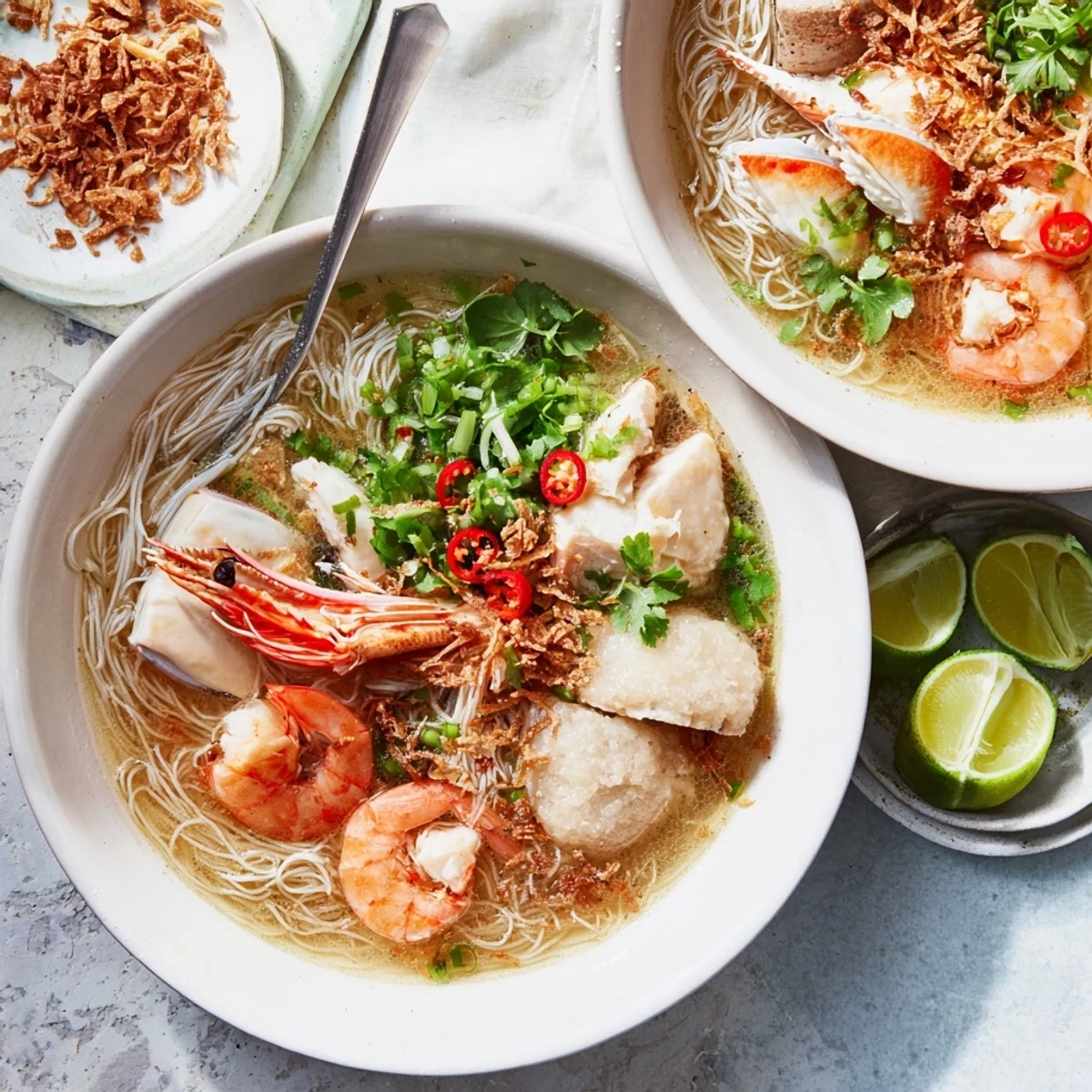
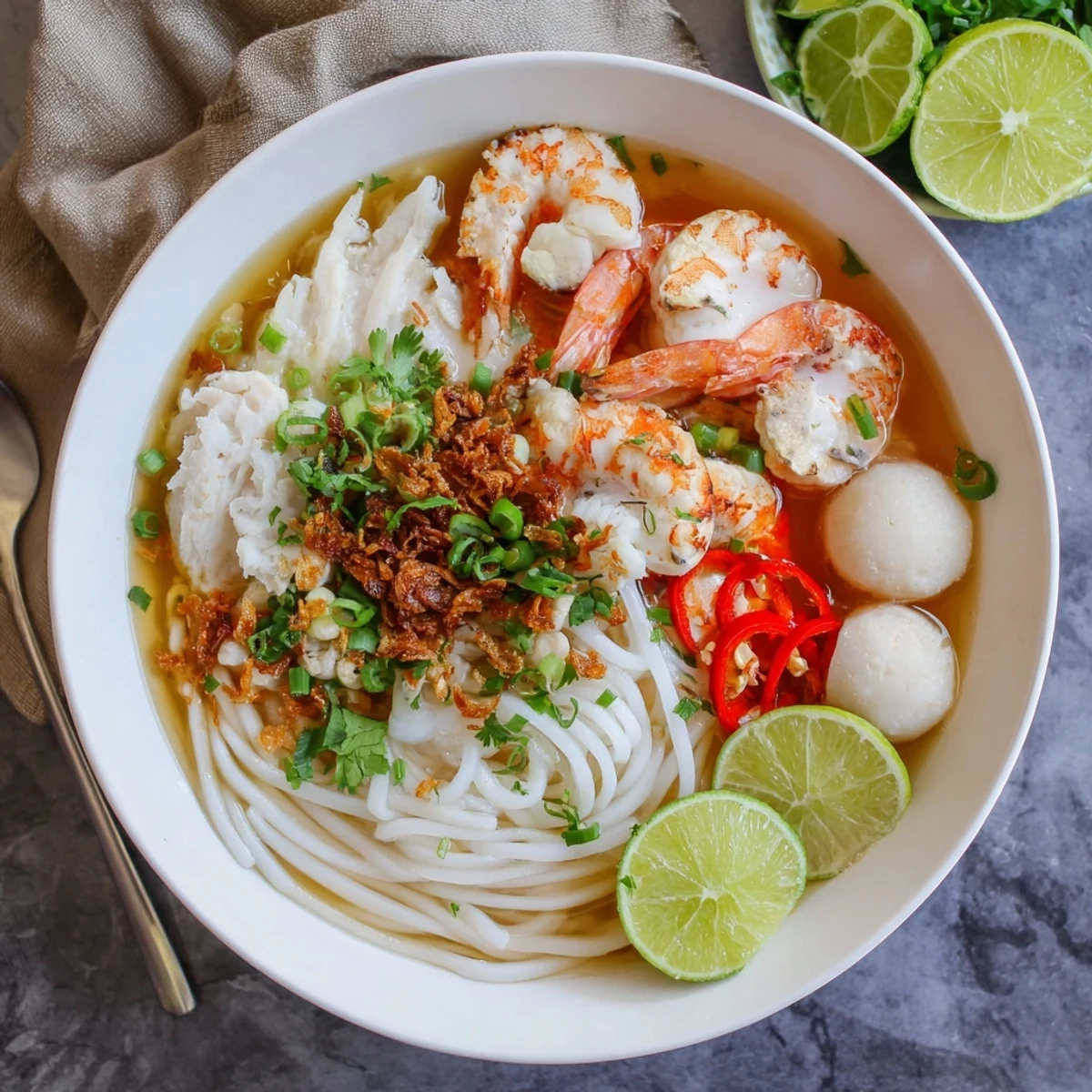
Save Banh Canh Cua brings together tender chunks of fresh crab meat, plump shrimp, and sliced fish cakes in a deeply flavorful broth simmered with pork bones, onion, and garlic. The star element—thick, chewy tapioca noodles—adds satisfying texture that perfectly complements the sweet seafood and savory, aromatic liquid. Each bowl gets topped with crisp spring onions, crispy fried shallots, fresh cilantro, and a squeeze of bright lime. The entire dish comes together in just over an hour, making it achievable for home cooks while still delivering the authentic taste of Vietnamese comfort food.
The first time I had banh canh cua was in a tiny stall in Saigon during a downpour. The steaming bowls arrived with noodles so thick and chewy they felt like comfort itself. Something about that tapioca texture stuck with me for years afterward, haunting my kitchen dreams until I finally recreated it at home.
Last winter I made this for my friend Linh who hadnt been home to Vietnam in three years. After one spoonful she went completely silent, eyes closed, and I knew Id done something right. Sometimes food really can transport you across oceans.
Ingredients
- 1.2 liters chicken stock: This creates the base but the real magic happens when it meets those pork bones
- 400 g pork bones: Blanch them first to keep your broth crystal clear and remove any impurities
- 1 yellow onion: Halved and added early, it mellows into the broth instead of staying sharp
- 2 cloves garlic: Smashed not minced so you can fish them out later easily
- 1 tsp each salt and sugar: The Vietnamese seasoning philosophy of balancing salty against sweet
- 1 tbsp fish sauce: Add this toward the end so its delicate aroma doesnt cook away completely
- 300 g fresh crab meat: The real star here, though imitation works in a genuine pinch
- 150 g shrimp: They cook in seconds so dont let them toughen up in the boiling broth
- 200 g fish cakes: Sliced thin these add bounce and texture that contrasts beautifully with the crab
- 400 g banh canh noodles: Fresh or frozen, these thick tapioca noodles are what make this dish special
- 2 spring onions: Finely sliced for that fresh bite against the rich broth
- 2 tbsp fried shallots: Do not skip these, they add crunch and essential depth
- 1 small bunch cilantro: Added at the very end so it stays bright and aromatic
- 1 red chili: Optional, but I love the heat cutting through all that richness
- Lime wedges: The acid that brings everything into sharp focus
Instructions
- Build your broth foundation:
- Combine chicken stock with blanched pork bones, onion halves, and smashed garlic in your largest pot. The kitchen should start smelling amazing almost immediately. Season with salt and sugar then bring everything to a rolling boil.
- Let it simmer gently:
- Reduce heat to low and let the broth develop for 30 minutes. Skim any foam that rises to the surface, keeping things clean and clear. This patience step is where the depth really builds.
- Finish the broth base:
- Stir in the fish sauce then carefully remove the pork bones and onion. They have done their job. Strain through a fine mesh if you want it perfectly clear.
- Cook the shrimp quickly:
- Add peeled shrimp to the hot broth and simmer for just 2 to 3 minutes. Watch them turn pink and curl slightly then immediately remove them. Overcooked shrimp is tragic and easily avoided.
- Infuse the crab essence:
- Gently simmer crab meat and sliced fish cakes in the seasoned broth for 5 to 7 minutes. The crab will flavor the liquid while the fish cakes absorb it. This is the alchemy moment.
- Prep the noodles separately:
- Cook your banh canh according to package directions, usually just a few minutes in boiling water. Drain and rinse them briefly to stop cooking and prevent sticking. Thick tapioca noodles can turn to glue if overcooked.
- Assemble with intention:
- Divide those chewy noodles among four waiting bowls. Arrange the shrimp, crab, and fish cakes on top so each bowl gets equal treasure. Everyone deserves the good pieces.
- The grand finale:
- Ladle steaming hot broth over everything, letting it wake up all the flavors. Garnish immediately with spring onions, fried shallots, and cilantro. Set out lime, chili, and pepper so people can make it theirs.
 Save
Save My daughter now requests this for every birthday dinner. She says it tastes like being wrapped in a warm blanket. I cannot think of higher praise.
Getting That Restaurant Color
Those golden red Vietnamese broths often get their hue from annatto seed oil. A splash at the end gives your banh canh that professional appearance without changing the flavor profile. It is purely visual but somehow makes the first taste even better.
Noodle Know How
Fresh banh canh cooks in literally two minutes while frozen might need three. Test one strand against your teeth frequently. The perfect texture is chewy with a slight bounce, never mushy or gummy. Rinse them under cool water immediately after draining.
Make It Your Own
This soup welcomes all kinds of additions depending on what you love. Quail eggs make a beautiful addition, their soft yolks enriching each spoonful. Some cooks add thinly sliced pork that cooks directly in the broth.
- Try adding a handful of morning glory if you can find it at your Asian market
- Extra fried shallots on top never hurt anyone, I always double them
- The lime wedges are nonnegotiable, that acid brightens every rich element
 Save
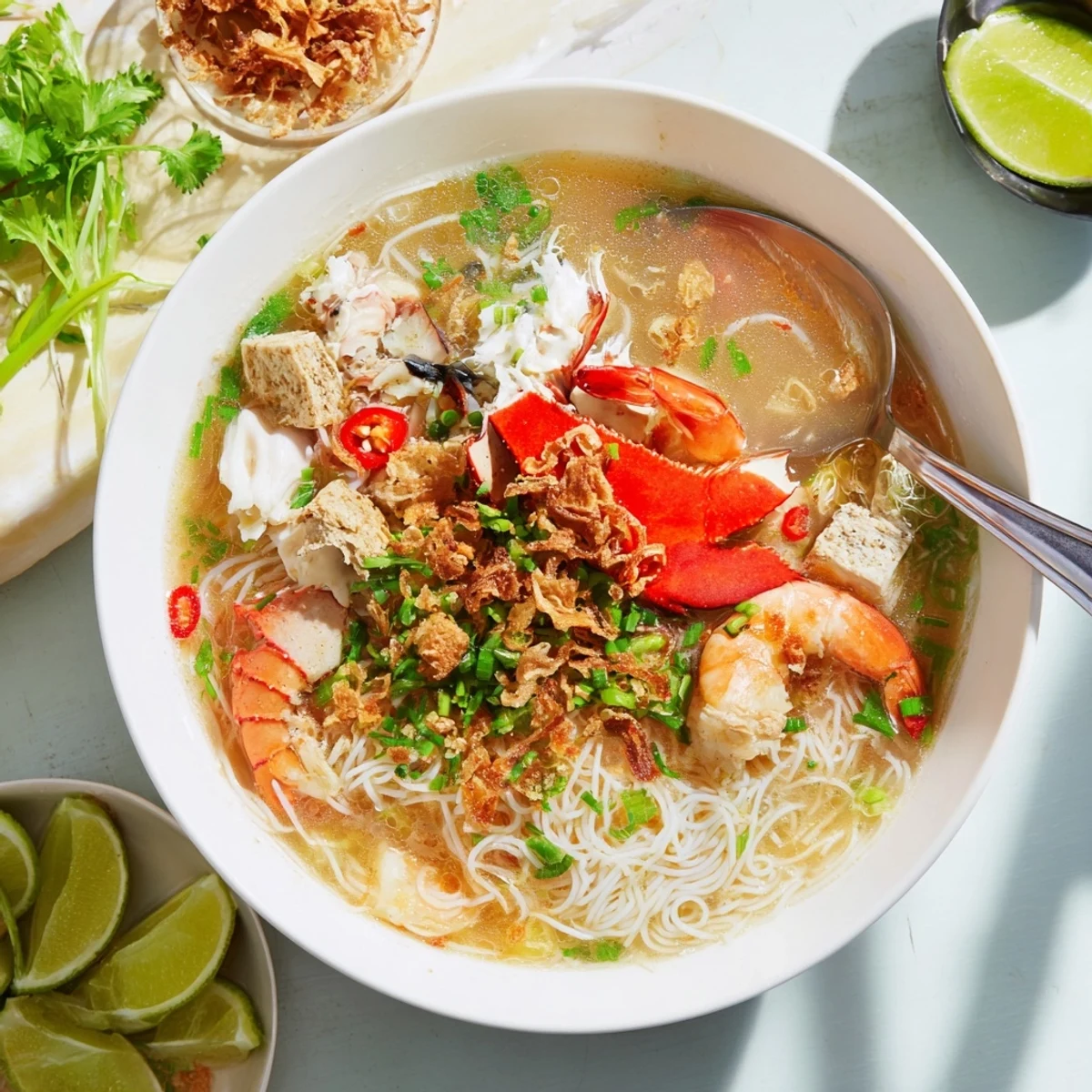
Save There is something deeply satisfying about a soup that feels substantial yet light. Hope this banh canh cua brings warmth to your table like it has to mine.
Recipe Questions & Answers
- → What makes banh canh noodles different from other Vietnamese noodles?
-
Banh canh noodles are made primarily from tapioca starch, giving them a thick, chewy texture and translucent appearance. Unlike rice vermicelli or egg noodles, these substantial noodles hold up beautifully in hot broth and provide a satisfying mouthfeel that pairs perfectly with rich seafood soups.
- → Can I use imitation crab or canned crab meat?
-
Fresh crab meat delivers the best flavor and texture, but you can substitute with high-quality imitation crab or canned crab in a pinch. Imitation crab works well since it's already cooked and flakes easily, though you may want to reduce the fish sauce slightly as imitation crab tends to be saltier.
- → How do I prevent the tapioca noodles from sticking together?
-
After cooking the noodles, drain them and rinse briefly with cool water to stop the cooking process and remove excess starch. Toss them gently with a small amount of neutral oil if serving isn't immediate. When assembling bowls, portion the noodles first and ladle hot broth over them immediately to keep them separate.
- → What's the purpose of pork bones if this is a seafood-focused dish?
-
Pork bones add depth and body to the broth that seafood alone cannot provide. The collagen from bones creates a richer mouthfeel, while the mild pork flavor rounds out the sweet crab and shrimp notes. You can omit them for a lighter version, but the broth won't have the same full-bodied character.
- → Can I make banh canh cua ahead of time?
-
The broth actually tastes better made a day ahead, allowing flavors to meld. Store broth and seafood components separately in the refrigerator. Cook the noodles fresh when serving—they don't reheat well and can become gummy. Reheat broth to a simmer, cook fresh noodles, and assemble bowls just before eating.