
 Save
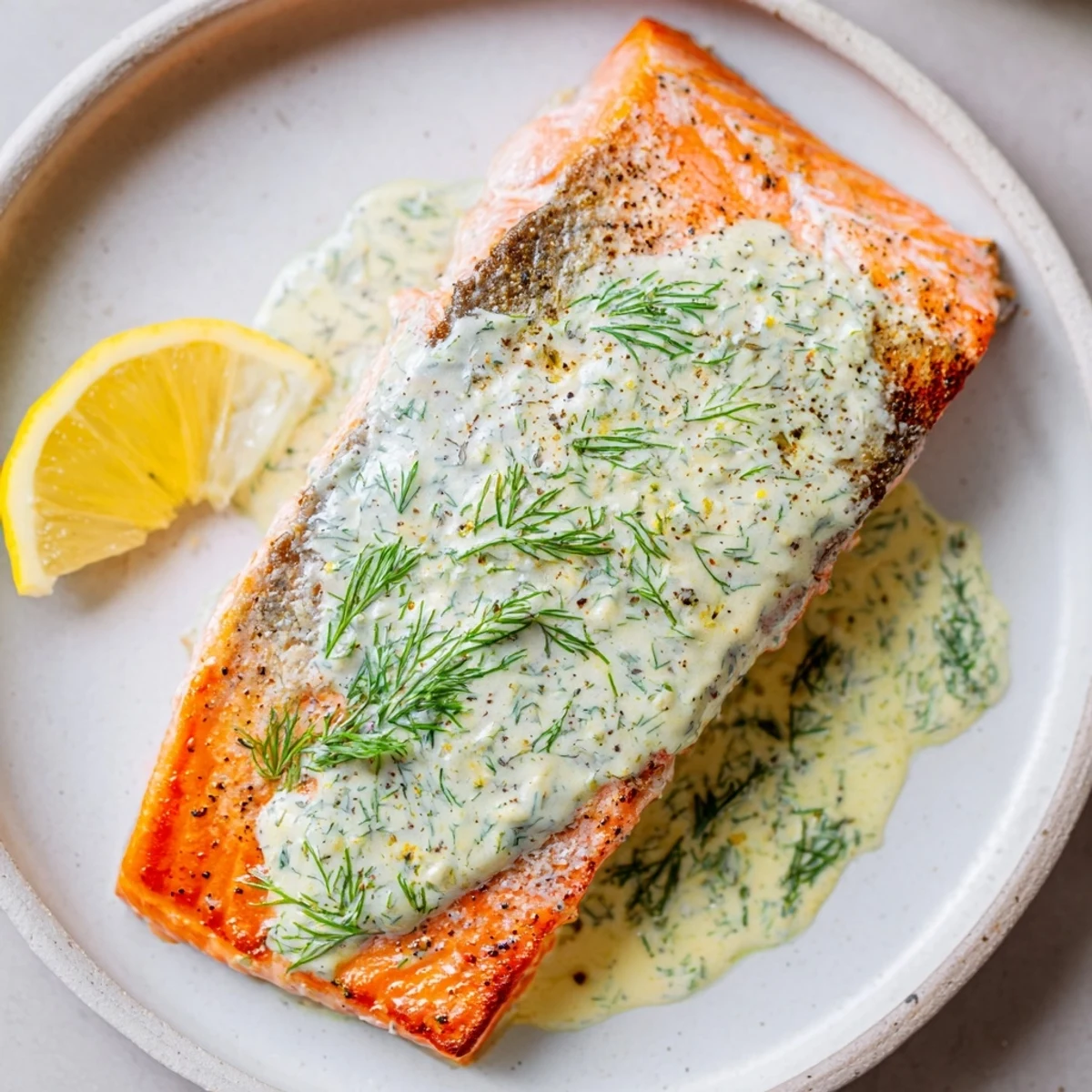
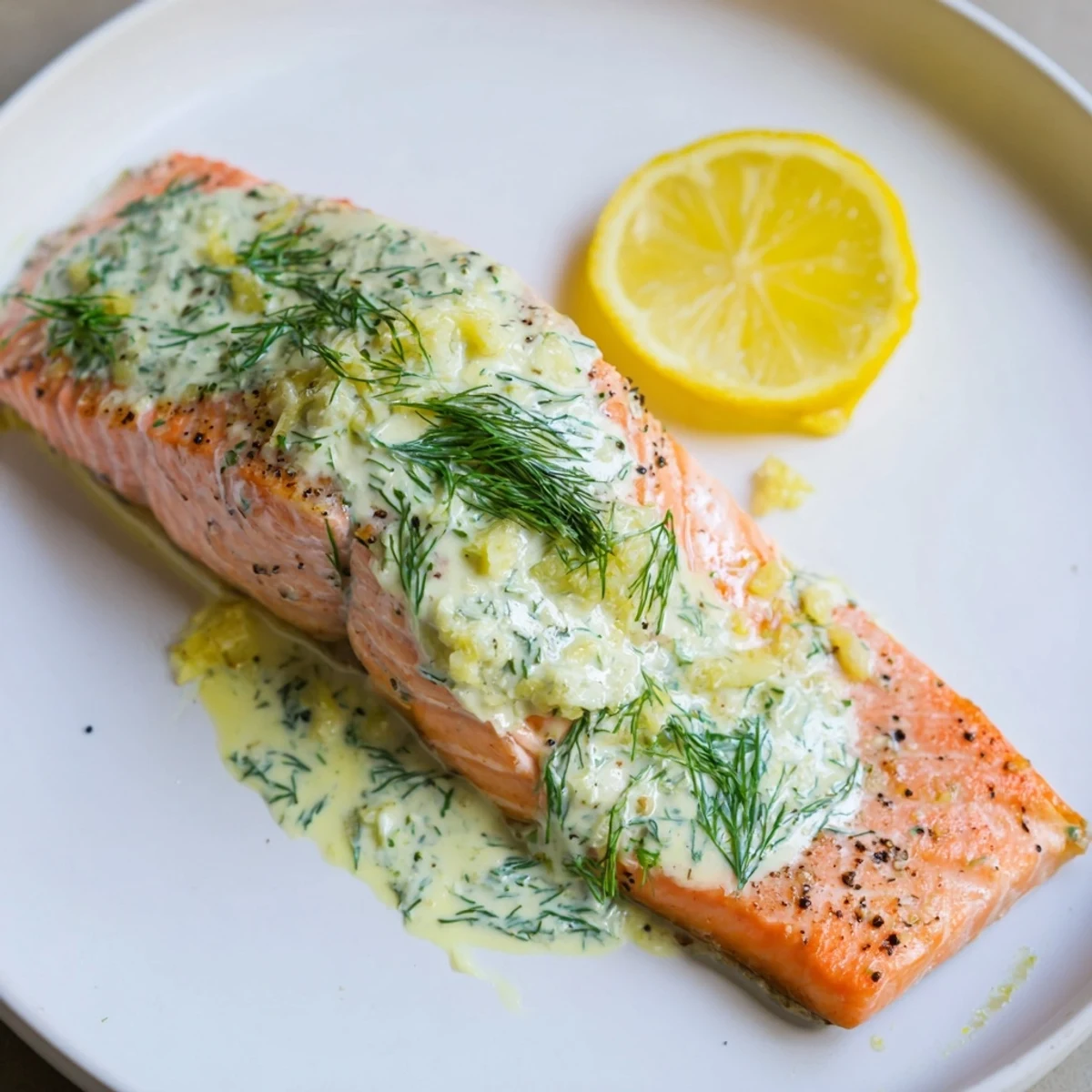
Save This dish features tender salmon fillets oven-baked to perfection and balanced with a bright sauce made from fresh dill, lemon juice, and cream. The fish is seasoned simply with olive oil, salt, and pepper before baking. Meanwhile, the sauce is gently simmered with butter and garlic, then combined with lemon zest and fresh dill for a vibrant finish. The combination offers a delicate flavor with a creamy tang, ideal for easy weeknight meals or special dinners. Garnished with lemon slices and dill sprigs, it pairs well with steamed vegetables or roasted potatoes for a well-rounded plate.
I was standing in my kitchen on a Tuesday evening, staring at a pack of salmon fillets I'd grabbed on impulse, when I remembered a tiny bistro in Portland where I once had the most buttery, herb-kissed fish. I didn't have their recipe, but I had dill, a lemon, and a hunch. Twenty minutes later, I was scraping my plate clean and texting my sister a photo.
The first time I made this for my parents, my dad—who usually drowns everything in hot sauce—didn't reach for the bottle once. My mom asked if I'd taken a cooking class. I just laughed and said I'd finally learned to trust my oven and not overthink things.
Ingredients
- Salmon fillets (about 170 g each): I prefer skin-on because it crisps up nicely and helps the fish hold together, but skinless works just as well if that's what you have.
- Olive oil: A light coating keeps the surface from drying out and helps the salt and pepper stick.
- Salt and freshly ground black pepper: Don't skimp here, salmon loves a generous seasoning before it hits the heat.
- Unsalted butter: The base of the sauce and the reason it tastes so silky and rich.
- Garlic cloves, minced: Two cloves give just enough warmth without overpowering the delicate lemon and dill.
- Heavy cream: This is what makes the sauce cling to the salmon in the most luxurious way.
- Lemon zest and juice: The zest brings bright, aromatic oil, and the juice adds the tang that cuts through the cream.
- Fresh dill, finely chopped: Dried dill won't do it justice, the fresh stuff is grassy, sweet, and makes the whole dish sing.
- Lemon slices and extra dill sprigs: A little garnish goes a long way in making this feel special, even on a weeknight.
Instructions
- Preheat and Prep:
- Set your oven to 200°C (400°F) and line a baking sheet with parchment paper. This keeps cleanup easy and prevents sticking.
- Season the Salmon:
- Pat the fillets completely dry with paper towels, then brush them with olive oil and season both sides with salt and pepper. Dry fish gets a better surface, trust me on this.
- Bake:
- Slide the salmon into the oven and bake for 12 to 15 minutes, until it flakes easily with a fork and the center is just opaque. It will continue cooking slightly after you pull it out, so don't overdo it.
- Start the Sauce:
- While the salmon bakes, melt butter in a small saucepan over medium heat, then add the garlic and stir for about a minute until it smells amazing. Don't let it brown.
- Build the Sauce:
- Pour in the cream, lemon zest, and lemon juice, then let it simmer gently for 2 to 3 minutes, stirring now and then. It should thicken just a little and smell like summer.
- Finish with Dill:
- Take the pan off the heat and stir in the chopped dill, then taste and adjust the salt and pepper. The sauce should be tangy, creamy, and herbaceous all at once.
- Plate and Serve:
- Set each salmon fillet on a plate, spoon the warm sauce over the top, and garnish with lemon slices and a sprig of dill. Serve immediately while everything is hot and fragrant.
 Save
Save I remember serving this to a friend who swore she didn't like salmon. She finished her portion, then quietly reached over and took a bite from my plate. We didn't talk about it, but I caught her saving the recipe on her phone before she left.
What to Serve Alongside
I usually reach for something green and simple, like steamed asparagus or sautéed green beans with a little garlic. Roasted baby potatoes with olive oil and sea salt are perfect for soaking up extra sauce, and a crisp butter lettuce salad with a light vinaigrette keeps things balanced. If you want to go all in, a crusty baguette is never a bad idea.
How to Store and Reheat
Leftover salmon keeps well in an airtight container in the fridge for up to two days. I like to reheat it gently in a low oven (around 150°C) for about 8 minutes, or just eat it cold flaked over a salad. The sauce can be reheated in a small pan over low heat, add a splash of cream if it's separated. Don't microwave the salmon if you can help it, it tends to dry out fast.
Make It Your Own
This recipe is forgiving and loves a little improvisation. Swap the dill for tarragon or parsley if that's what you have, or add a pinch of capers to the sauce for a briny kick. If you're avoiding dairy, coconut cream works surprisingly well, just add a little extra lemon to balance the sweetness. You can also use this same sauce on chicken, shrimp, or even roasted cauliflower.
- Try stirring in a teaspoon of Dijon mustard for a subtle tang.
- Add a handful of baby spinach to the sauce at the end for extra greens.
- Top the salmon with toasted pine nuts or slivered almonds for a little crunch.
 Save
Save This dish has become my go-to when I want to feel like I have my life together, even when I absolutely don't. It's proof that something this good doesn't have to be complicated.
Recipe Questions & Answers
- → How do I prevent salmon from drying out while baking?
-
Ensure you bake the salmon at 200°C (400°F) for around 12–15 minutes, until it flakes easily. Brushing with olive oil and not overcooking helps retain moisture.
- → Can I use fresh or dried dill for the sauce?
-
Fresh dill is preferred for its bright flavor and texture, though dried dill can be used sparingly if needed, keeping in mind it’s less aromatic.
- → What side dishes complement this salmon preparation?
-
Steamed asparagus, roasted potatoes, or a crisp green salad pair wonderfully, balancing the creamy and lemony notes of the dish.
- → Is it possible to lighten the sauce without losing flavor?
-
Substitute half-and-half or low-fat cream for heavy cream to reduce richness while maintaining a creamy texture.
- → How do I know when the salmon is fully cooked?
-
Salmon is done when it flakes easily with a fork and reaches an internal temperature of 63°C (145°F).