
 Save
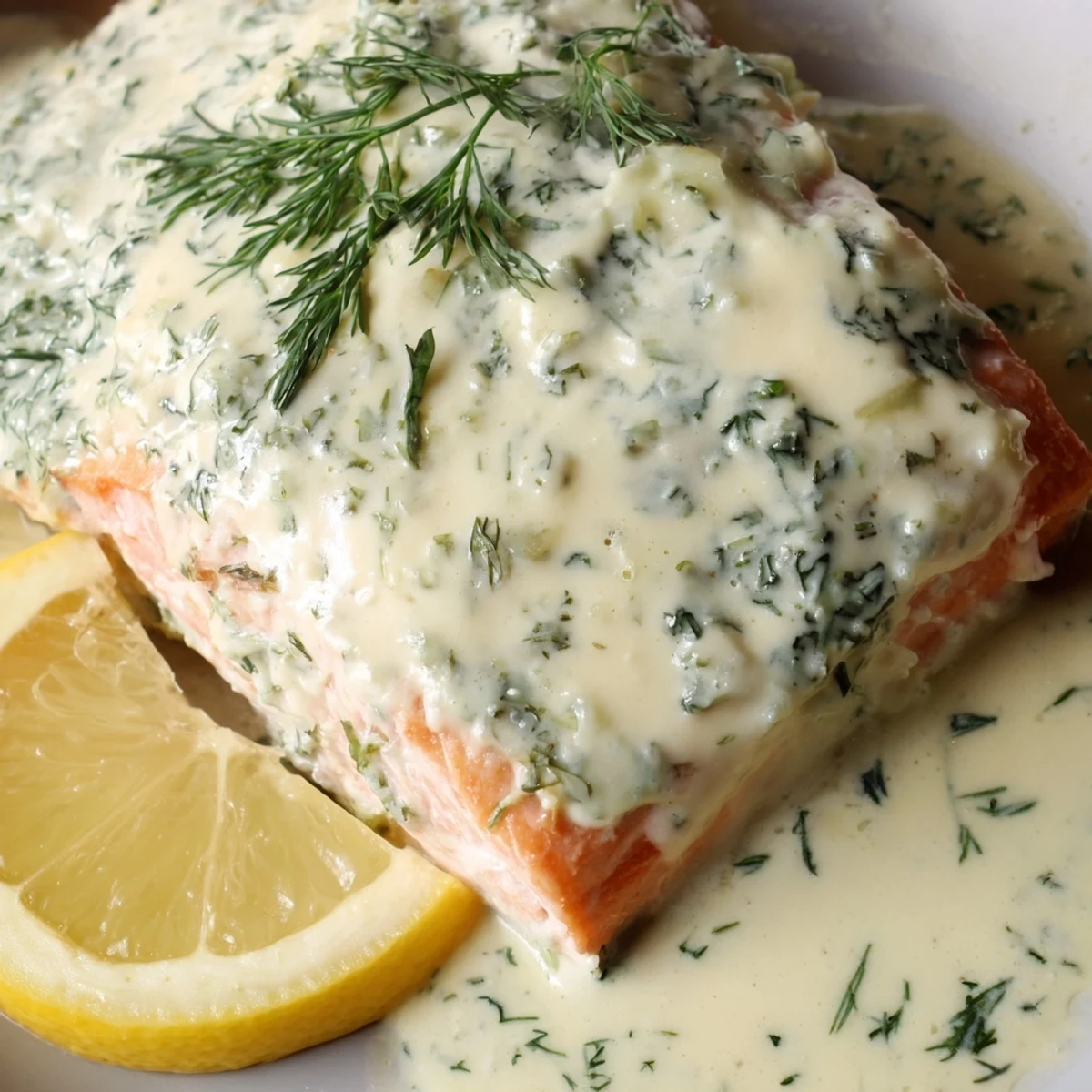
Save Enjoy succulent salmon fillets baked until tender and flaky. The preparation is simple: season the fish, roast it quickly, and whip up a rich sauce with heavy cream, fresh dill, lemon zest, and garlic. This dish balances rich and tangy flavors beautifully, making it an ideal choice for a nutritious weeknight meal or a light weekend gathering. Serve with veggies or potatoes.
There's something about the smell of salmon hitting a hot pan that makes me stop whatever I'm doing. One Tuesday evening, I had about thirty minutes and a hunger that needed solving, so I threw together salmon fillets with a lemon cream sauce that came together faster than I expected. The kitchen filled with this bright, buttery aroma, and suddenly weeknight dinner felt special without any fuss.
I made this for my sister last spring when she was going through a phase of trying to eat better. She sat at the counter while the salmon baked, and I remember her saying the kitchen smelled like a restaurant. When she took that first bite and the creamy sauce hit the perfectly flaked salmon, her whole face changed—that's when I knew this recipe was a keeper.
Ingredients
- Salmon fillets (4, about 150–180 g each): Skin-on fillets hold moisture better during baking, but skinless works too if that's what you prefer.
- Olive oil (1 tablespoon): A light brush prevents sticking and helps the salmon develop a gentle, slightly golden exterior.
- Salt and freshly ground black pepper: Season generously on both sides; the salmon can handle it.
- Unsalted butter (1 tablespoon): Creates the base for the sauce and carries the garlic flavor beautifully.
- Garlic (2 cloves, finely minced): Mince it small so it melts into the cream rather than leaving sharp chunks.
- Heavy cream (200 ml): The luxurious heart of this sauce; don't skip it or substitute it with milk.
- Lemon zest and juice (1 lemon, zest, and 2 tablespoons juice): Fresh lemon is non-negotiable; bottled juice tastes thin by comparison.
- Fresh dill (2 tablespoons, plus extra for garnish): Dill and salmon are soulmates; chop it just before using to keep it vibrant.
- Dijon mustard (1 teaspoon): Adds depth and a subtle tang that makes people ask what your secret ingredient is.
- Honey (1 teaspoon, optional): A tiny amount balances the acidity if your lemon is particularly sharp.
Instructions
- Get your oven ready:
- Preheat to 200°C (400°F) and line a baking sheet with parchment paper or a light brush of oil. A hot oven means the salmon cooks evenly and quickly.
- Prepare the salmon:
- Pat the fillets dry with paper towels, then lay them skin-side down on your prepared sheet. Brush lightly with olive oil and season both sides generously with salt and pepper—don't be shy.
- Bake the salmon:
- Slide it into the oven for 12–15 minutes; you'll know it's done when the flesh flakes easily and the center looks opaque, not translucent. Start checking around the twelve-minute mark because every oven is different.
- Start the sauce:
- While salmon bakes, melt butter in a medium saucepan over medium heat and add your minced garlic. Let it sizzle and soften for about a minute until the kitchen fills with that irresistible garlic smell, then pour in the heavy cream.
- Build the sauce:
- Bring the cream to a gentle simmer (not a rolling boil, or it can break), then add the lemon zest, lemon juice, mustard, and honey if using. Stir and let it bubble softly for 2–3 minutes so all the flavors get to know each other.
- Finish with fresh dill:
- Pull the pan off the heat, fold in your chopped dill, then taste and adjust salt and pepper. The sauce should taste bright and creamy with no bitter edges.
- Plate and serve:
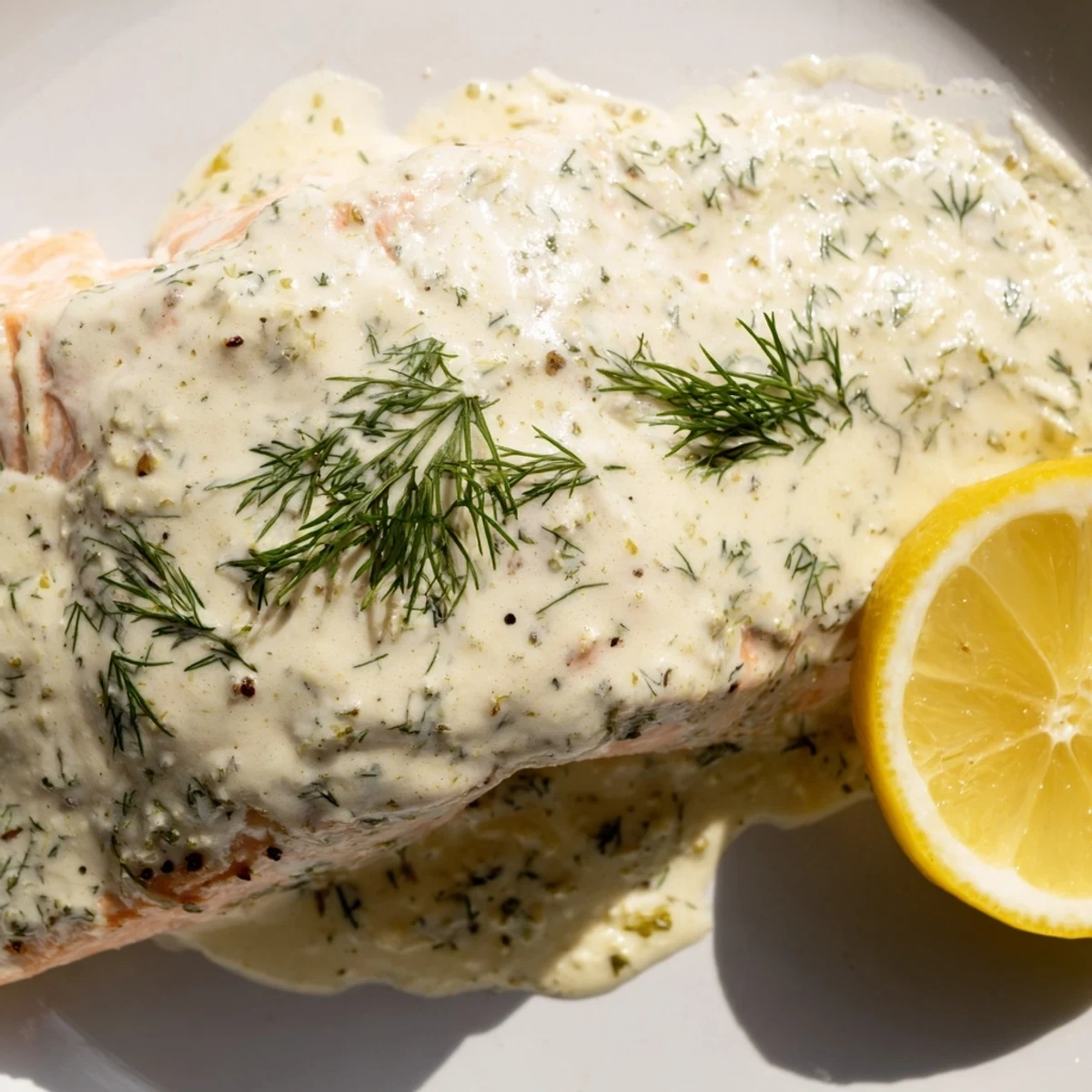
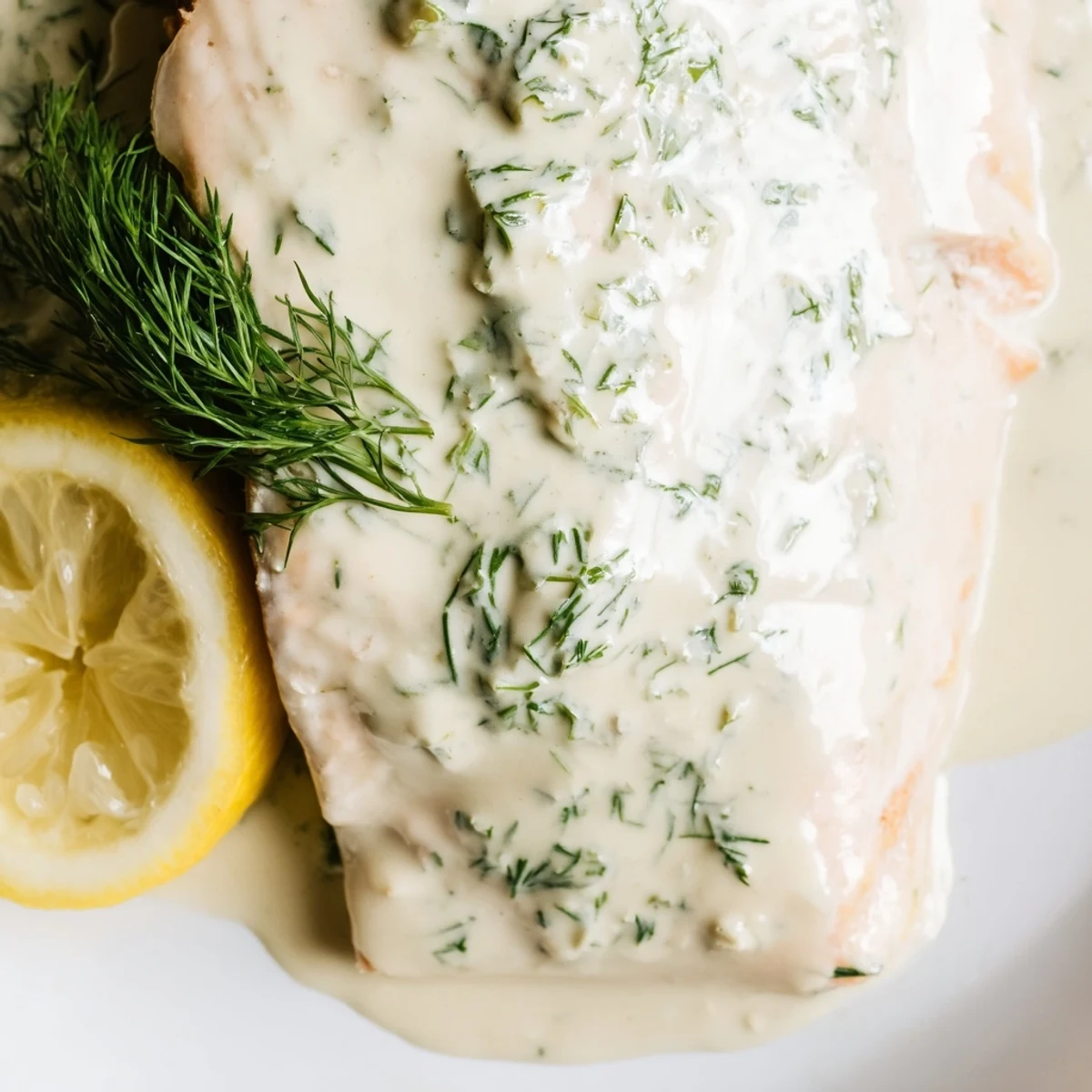
- Transfer your salmon to serving plates, spoon the warm sauce over top, and scatter a bit of extra fresh dill across each fillet. A thin lemon slice on the side adds a nice finishing touch.
 Save
Save My neighbor asked for this recipe after coming over for dinner one evening, and now she makes it for her family every month. There's something grounding about a dish that tastes restaurant-quality but doesn't demand hours in the kitchen—it leaves room for everything else that matters.
Timing and Flexibility
This entire meal comes together in about thirty minutes, which means you can go from idea to plated dinner faster than most takeout arrives. The salmon cooks while you make the sauce, so there's almost no downtime, and honestly, that's part of what makes this dish so reliable for busy nights. If you're expecting guests, you can prep the ingredients an hour or two ahead and have everything ready to go in the time it takes to pour wine.
Sauce Variations and Lightening Options
The creamy dill sauce is lovely as written, but I've learned through trial and error that you can swap half the heavy cream for Greek yogurt or crème fraîche if you want something lighter. The trick is to add the yogurt off the heat, stirred in gently at the end, so it doesn't curdle and turn grainy. I've also made this sauce with a splash of white wine instead of some of the cream, and the result is more sophisticated and less rich without sacrificing any comfort.
What to Serve Alongside
I usually pair this with something simple so the salmon and sauce stay the stars: steamed asparagus with a pinch of fleur de sel, roasted fingerling potatoes with butter and thyme, or a bright green salad with a vinaigrette that cuts through the richness of the cream. A crisp Sauvignon Blanc or unoaked Chardonnay is perfect with this meal—the wine echoes the lemon in the sauce and feels like a natural companion.
- Asparagus takes about eight minutes to steam and pairs perfectly with both the salmon and the sauce.
- If you're roasting potatoes, start them before the oven reaches temperature so they finish around the same time as the salmon.
- A simple salad of greens, thin lemon slices, and a squeeze of Dijon vinaigrette balances the richness of the cream beautifully.
 Save
Save This recipe has become my go-to when I want to feel like I've cooked something special without spending hours in the kitchen. There's real joy in a simple, elegant dinner that comes from basic ingredients and a little attention.
Recipe Questions & Answers
- → How do I know when the salmon is done?
-
The salmon is done when it turns opaque in the center and flakes easily with a fork. The internal temperature should reach 63°C (145°F).
- → Can I use a different type of fish?
-
Yes, white fish like cod or halibut works well, though you may need to adjust the baking time as they cook differently than fatty salmon.
- → What can I substitute for heavy cream?
-
For a lighter version, you can substitute half of the heavy cream with Greek yogurt or full-fat crème fraîche, adding it after the sauce has cooled slightly.
- → Is the dill flavor strong?
-
The dill provides a fresh, aromatic note that complements the lemon and salmon without overpowering the dish. You can adjust the amount to your preference.
- → What sides pair best with this dish?
-
This salmon pairs wonderfully with steamed asparagus, roasted potatoes, or a crisp green salad to balance the creamy sauce.